


Kye Kye Kule
Background of the Folk Song: Kye Kye Kule
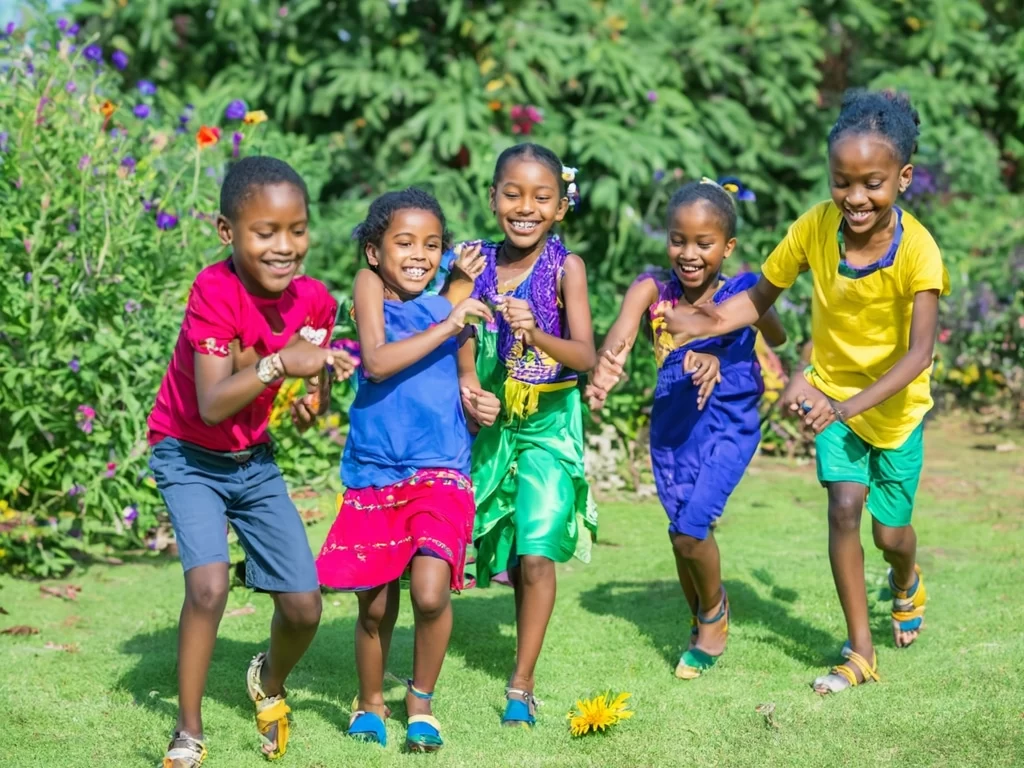
“Kye Kye Kule” (also spelled “Che Che Koolay” or “Kye Kye Koole”) is a traditional call-and-response song and game originating from Ghana in West Africa. This vibrant folk song has transcended cultural boundaries to become a beloved musical experience in classrooms worldwide. The song features simple, repetitive lyrics in the Ghanian language, with the leader singing a phrase and participants echoing it back. The accompanying movements—which typically include gestures like pointing to various body parts mentioned in the lyrics—make this song not just an auditory experience but a full-body engagement that celebrates the rich cultural heritage of Ghanaian musical traditions.
The cultural significance of “Kye Kye Kule” extends beyond its catchy melody and rhythmic patterns. In its original context, this song serves as both entertainment and a means of teaching coordination, listening skills, and cultural values to children. The call-and-response format reflects the communal nature of traditional African music, where active participation is valued over passive listening. This participatory aspect makes the song particularly valuable in educational settings, as it embodies the principle that music is not merely something to be consumed but rather experienced collectively. By introducing students to “Kye Kye Kule,” educators provide a window into diverse cultural expressions and demonstrate how music serves as a universal language connecting people across continents.
Classroom Implementation
To incorporate “Kye Kye Kule” into a classroom music setting, begin by teaching students the basic call-and-response pattern without movements. Start slowly, allowing students to become comfortable with the unfamiliar words by breaking down each phrase. Once students can confidently echo the lyrics, introduce the traditional movements—typically hands on head, shoulders, waist, and knees, followed by turning around. For younger students, you might simplify the movements while maintaining the core structure. As students gain proficiency, gradually increase the tempo and add complexity by dividing the class into groups where one group performs the call while others respond, then switch roles. This approach builds listening skills, coordination, and confidence.
For an enriched learning experience, expand the lesson by discussing the song’s Ghanaian origins, showing Ghana on a world map, and exploring other aspects of Ghanaian culture. Consider connecting the lesson to broader curricular themes such as cultural diversity, global awareness, or the historical spread of musical traditions. Advanced classes might explore creating their own variations by changing movements, adding percussion instruments like drums or shakers to accompany the song, or even crafting new verses while maintaining the traditional call-and-response structure. This multilayered approach transforms a simple folk song into a comprehensive learning opportunity that develops musical skills while fostering cultural appreciation and creative expression.
Kye Kye Kule Lyrics
Leader: Kye Kye Kule (chay chay kool ay)
Chorus: Kye Kye Kule (chay chay kool ay)
Leader: Kye Kye Kofisa (chay chay ko fee sah)
Chorus: Kye Kye Kofisa (chay chay ko fee sah)
Leader: Kofisa Langa (Ko fee sa lan ga)
Chorus: Kofisa Langa (Ko fee sa lan ga)
Leader: Kaka Shilanga (Ka ka she lan ga)
Chrous: Kaka Shilanga (Ka ka she lan ga)
Leader: Kum Aden Nde (koom ah den day)
Chorus: Kum Aden Nde (koom ah den day)
Leader: Kum Aden Nde (koom ah den day)
Chorus: Kum Aden Nde, Hey!
Translation:
Hands on your head
Hands on your shoulders
Hands on your waist
Hands on your knees
Hands on your ankles
Hands on your ankles
Hands on your ankles, hey!
Kye Kye Kule Sheet Music
Kye Kye Kule Sheet Music Video
This video is part of the Fun Music Company Grade One Music Curriculum. Versions with vocals, without vocals and for instrument playing are included in this music curriculum program.
Kye Kye Kule PDF Sheet Music

Looking for more world music folk songs for your classroom? You might enjoy A Ram Sam Sam, Funga Alafia, or Aquaqua Dela Omar — all similarly well-suited to movement, participation, and cultural exploration across K–6.