

Funga Alafia
Background of the Folk Song
“Funga Alafia” is a welcome song and dance that’s become a widely-used teaching tool in music classrooms around the world. The chant — “Funga Alafia, Ashe Ashe” — was composed by LaRocque Bey, an African American percussionist, dancer and choreographer, in Harlem, New York, around 1959–60. Bey set the words to the tune of the American folk song “Little Liza Jane,” drawing on genuine West African words with real roots: “fanga” relates to a traditional Liberian welcome dance and drum rhythm among the Vai people, “alafia” is a Yoruba loanword meaning peace or good health, and “ashe” (also spelled asé) is a Yoruba concept meaning “let it be so.”
The song has sometimes been presented as an anonymous, traditional West African folk song, but the more specific and better-documented history credits Bey directly as its composer — a reminder of the real, individual artistry behind a piece that’s touched so many classrooms.
The lyrics are simple yet powerful: “Funga Alafia, Ashe Ashe.” “Alafia” translates to peace, health, or well-being, while “Ashe” signifies energy, power, and the ability to make things happen. This repetition and rhythmic quality make the song easy to learn and engaging for children and beginners in music education.
In educational settings, Funga Alafia is often used to teach students about African language and traditions, and about the individual African American artists — like Bey — who have shaped how those traditions have been shared and celebrated in the US. Music educators frequently use the song to introduce elements of call-and-response singing, rhythm, and movement, and it provides a gateway to discussions about cultural heritage, artistic ownership, and the significance of storytelling and oral tradition.
Funga Alafia Lyrics
Funga alafia, ashay ashay.
Funga alafia, ashay ashay.
(repeats)
Funga Alafia Lesson Plan
Looking for a simple way to bring Funga Alafia into your classroom? Here’s a short lesson sequence to get started:
- Introduce the song — Share the background above: where “Funga Alafia” comes from, and what “alafia” and “ashe” mean. Even young students enjoy learning that words carry real history.
- Teach it by ear, call-and-response style — Sing one line, have students echo it back. Once they’re comfortable, try adding simple hand movements or claps to mark the beat.
- Explore the pitch — For a music-literacy angle, this song is a great vehicle for practicing simple solfège patterns (mi–so, mi–re–do) using hand signs, since the melody moves in small, easy-to-hear steps.
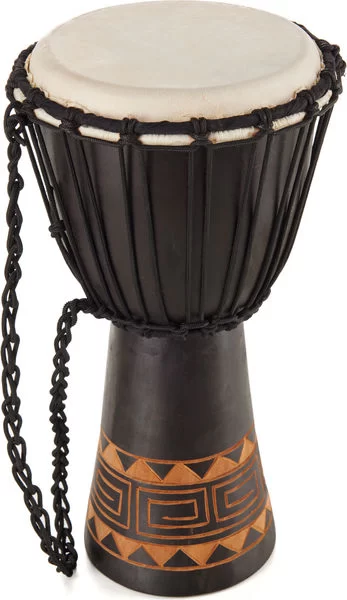
- Add instruments — Layer in hand drums or shakers to reinforce the welcome-song feel, and to introduce or reinforce the idea of percussion instruments.
- Discuss — Ask students how the song makes them feel, and why a “welcome song” like this might be used at the start of a gathering or performance.
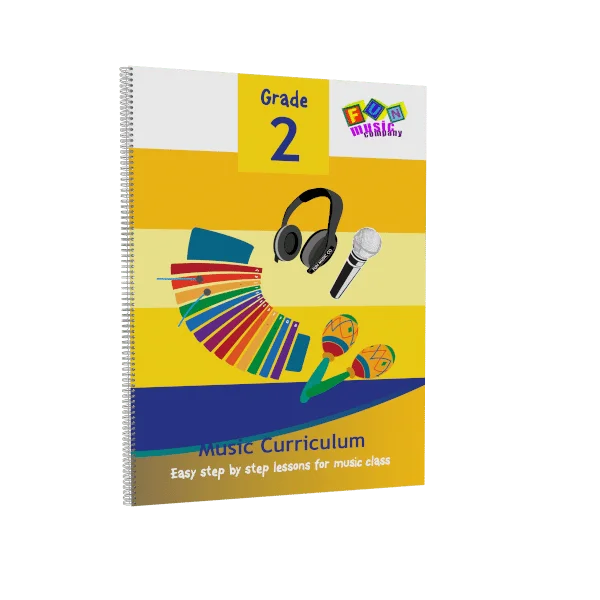
his sequence works well for early elementary grades (K–2) and takes about 10–15 minutes. It’s part of our full Grade 2 music curriculum, which includes complete video lessons, sheet music, and follow-along activities for this and dozens of other songs.
Funga Alafia Sheet Music
Our Funga Alafia sheet music arrangement is written for young voices, with a simple, singable melody and light percussion accompaniment — no prior reading experience needed. It’s available as vocal, instrumental, and backing-track versions, so you can use it for singing, tuned or untuned percussion lessons depending on your class. The free PDF below includes the melody line and lyrics; the full accompaniment tracks and teaching notes are part of our Grade 2 music curriculum.
Sheet Music Video
This video is part of the Fun Music Company Grade Two Music Curriculum. Versions with vocals, without vocals and for instrument playing are included in this music curriculum program.
Funga Alafia PDF Sheet Music