

St. Patrick’s Day Music Lesson Ideas for Primary & Elementary School
St. Patrick’s Day offers an excellent opportunity to introduce music classes to the rich musical heritage of Ireland. These three ideas for a comprehensive St Patrick’s day Music lesson plan incorporate research on traditional Irish instruments, interactive performance of a classic Irish folk song, and appreciation of contemporary Irish music through the study of The Corrs. You may choose to do one of these activities, or all three! It is up to you!
The background of St Patrick’s Day
St. Patrick’s Day, celebrated annually on March 17th, commemorates Saint Patrick, the patron saint of Ireland who lived during the 5th century. Originally a religious feast day marking the anniversary of Saint Patrick’s death, it has evolved into a global celebration of Irish culture. Saint Patrick is credited with bringing Christianity to Ireland and, according to legend, driving all the snakes from the island (though this is widely understood to be a metaphor for his eradication of pagan beliefs).
The shamrock, now an iconic symbol of the holiday, was reportedly used by Saint Patrick to explain the Holy Trinity. In Ireland, the day traditionally began as a religious observance, but has expanded to include parades, festivals, céilithe (traditional Irish social gatherings with music and dancing), and the wearing of green attire and shamrocks. When Irish immigrants brought their traditions to America and other countries, St. Patrick’s Day transformed into a broader celebration of Irish heritage and culture, where music has always played a central role.
Begin by discussing the significance of St. Patrick’s Day and its cultural importance in Ireland and around the world. Explain that music plays a central role in Irish celebrations and cultural identity. Below is a brief video clip of traditional Irish music being performed to set the tone and spark interest.
Today we are sharing with you three options for a St Patrick’s day music lesson:
- Exploring traditional Irish instruments
- Learning and performing “The Rattlin’ Bog”
- Discovering contemporary Irish music through The Corrs
Activity 1: Researching and Learning About Irish Musical Instruments
Preparation Materials
- Images or videos of traditional Irish instruments
- Information about each instrument
- If possible, examples of instruments for demonstration
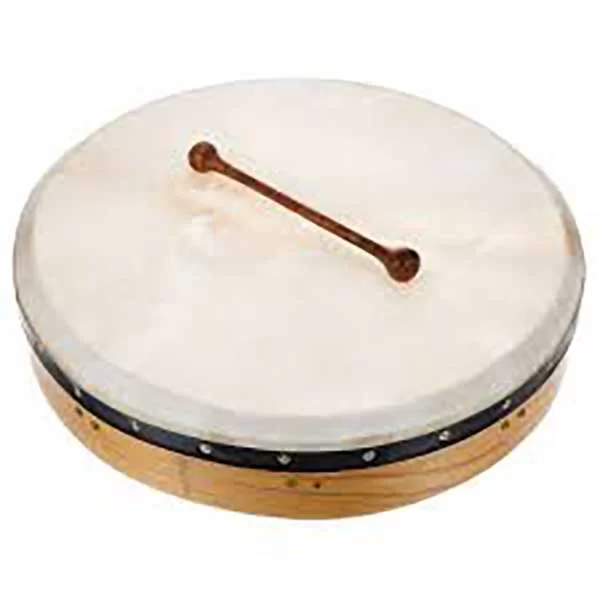
1. Bodhrán (pronounced “bow-rawn”)
- A frame drum made with a wooden body and a goatskin head
- Played with a double-headed stick called a “tipper” or “beater”
- Serves as the rhythmic heartbeat of traditional Irish music
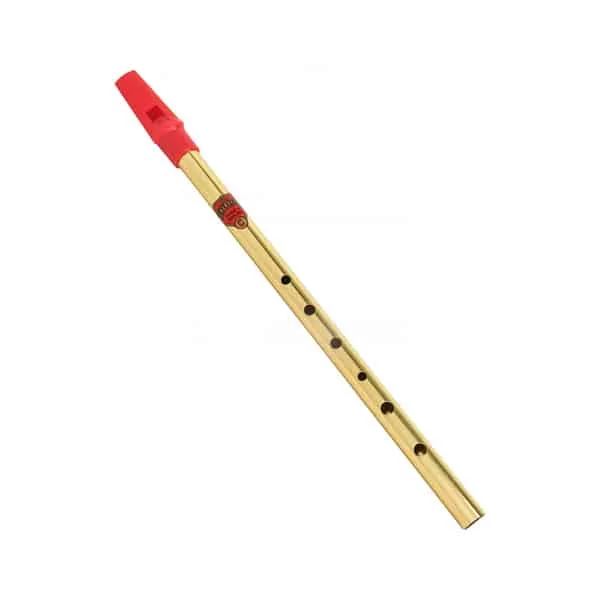
2. Tin Whistle
- Also known as the penny whistle
- A simple six-holed woodwind instrument
- Made of metal or wood
- One of the most accessible Irish instruments for beginners
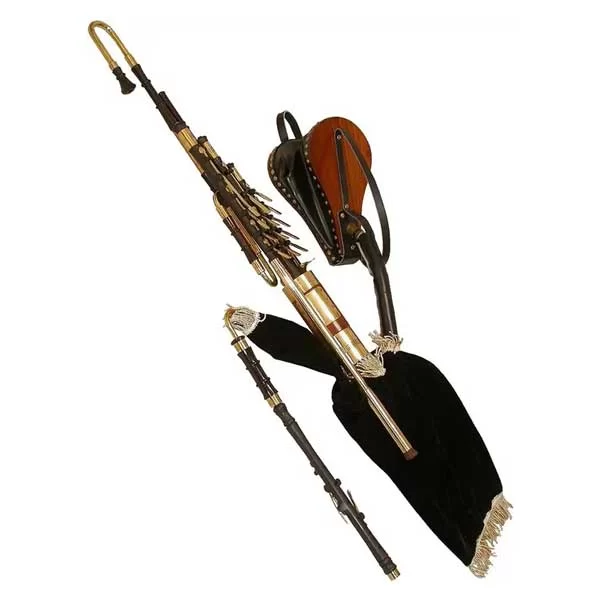
3. Uilleann Pipes
- Complex bagpipes unique to Ireland
- Bellows-blown (rather than mouth-blown) pipes with a softer sound than Scottish bagpipes
- Include a chanter, drones, and regulators
- Known for their ability to play staccato notes and harmonies
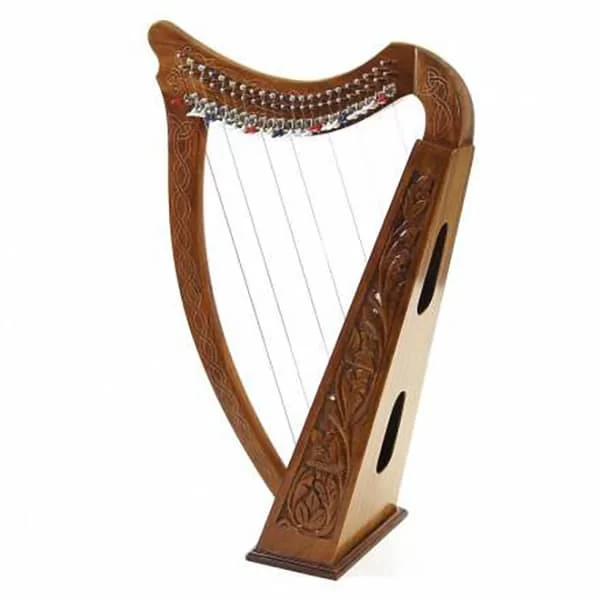
4. Celtic Harp
- Ireland’s national emblem
- Wire-strung or nylon-strung
- Used for both accompaniment and melody
- Historical significance in Irish culture and mythology
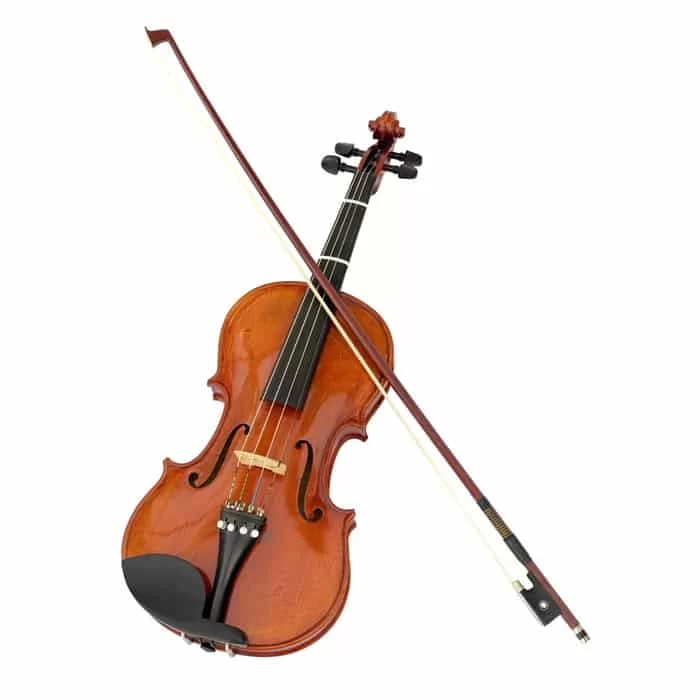
5. Fiddle
- Physically the same as a violin but played differently
- Central to Irish dance music
- Distinctive ornamentation techniques including rolls, cuts, and slides
- Regional playing styles (Donegal, Sligo, Clare)
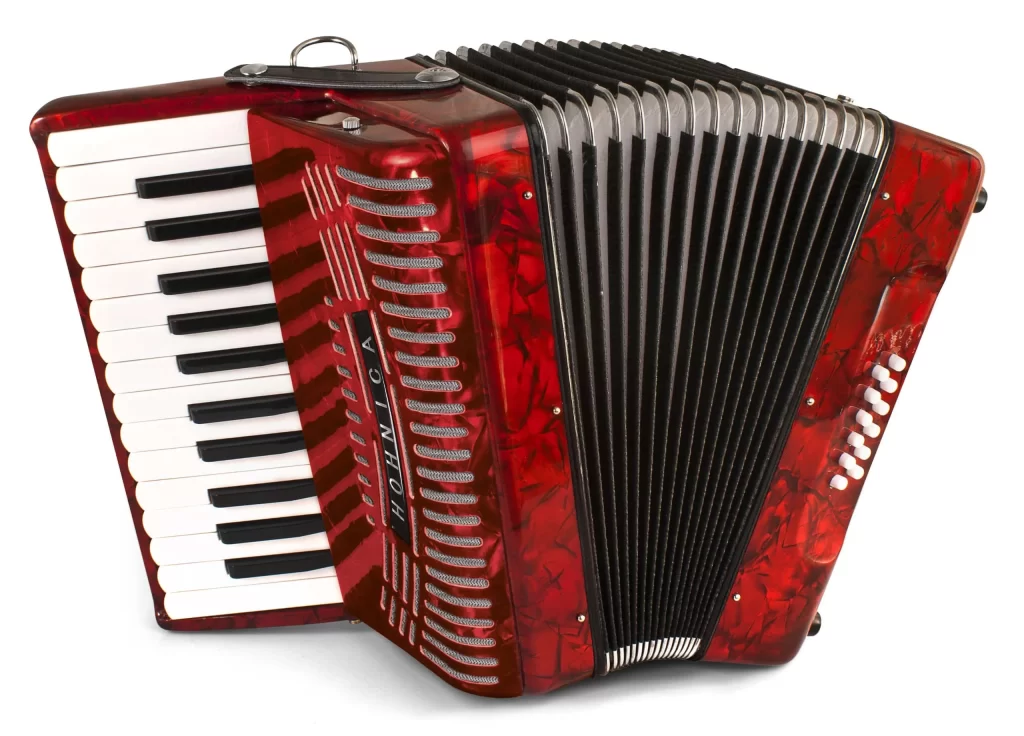
6. Accordion and Concertina
- Button accordions became popular in Irish music in the 20th century
- The concertina (particularly the Anglo system) is smaller and produces a more crisp sound
- Both add harmonic richness to ensemble playing
Interactive St Patrick’s Day Music Lesson Activity
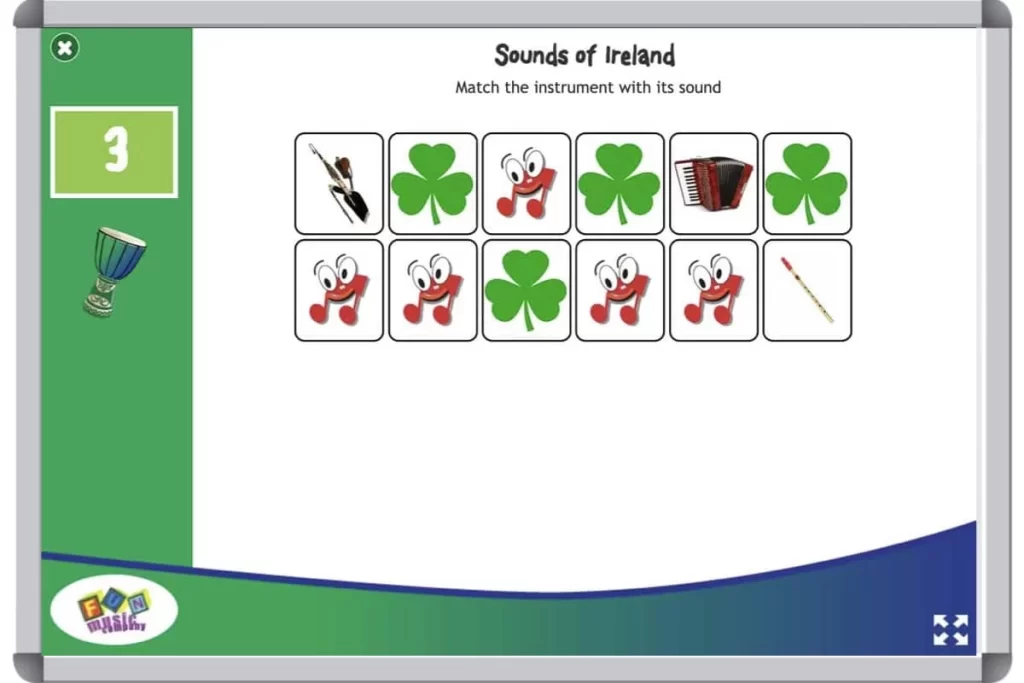
Click here to play the interactive St Patrick’s day matching game from the Fun Music Company. This game features all the instruments above, where students can play each of the sounds and match the sound to the image.

Activity 2: Learning and Performing ‘The Rattlin’ Bog’ — A Complete St. Patrick’s Day Music Activity
The Rattlin’ Bog is an excellent choice for a St. Patrick’s Day lesson as it’s a traditional Irish folk song with a cumulative structure that makes it engaging and accessible for students of various ages.
About the Song
- A traditional Irish folk song (with variants in many cultures)
- Cumulative structure with each verse building on previous verses
- Fast-paced and rhythmic, making it exciting to perform
- Teaches sequencing and memory skills
Teaching Approach
Introduction (5 minutes)
- Explain the song’s origin and structure
- Discuss what a bog is (a wetland ecosystem) and its significance in Ireland
- Show how cumulative songs work as memory devices in oral tradition
Learning the Basic Pattern (10 minutes)
- Start with the chorus and first verse at a slow tempo
- Teach the melody line first without the cumulative elements
- Gradually increase the tempo as students become comfortable
Adding Instrumentation (15 minutes)
- Incorporate simple percussion (bodhrán if available, or substitutes like frame drums)
- Add untuned percussion parts found in the Fun Music Comapany arrangement available here
- Add melodic instruments for accompaniment, such as xylophones, boomwhackers or chime bars
Performance Practice (10 minutes)
- Incorporate dynamics to build excitement as verses accumulate
- Consider adding simple choreography or hand movements
- Create a performance structure with solos, group sections, and instrumental breaks
Modifications for Different Age Groups
Younger students: Focus on fewer cumulative elements and more movement
Middle grades: Full song with instrumental accompaniment
Older students: Add harmony parts and more complex arrangements
St Patrick’s SING & PLAY song
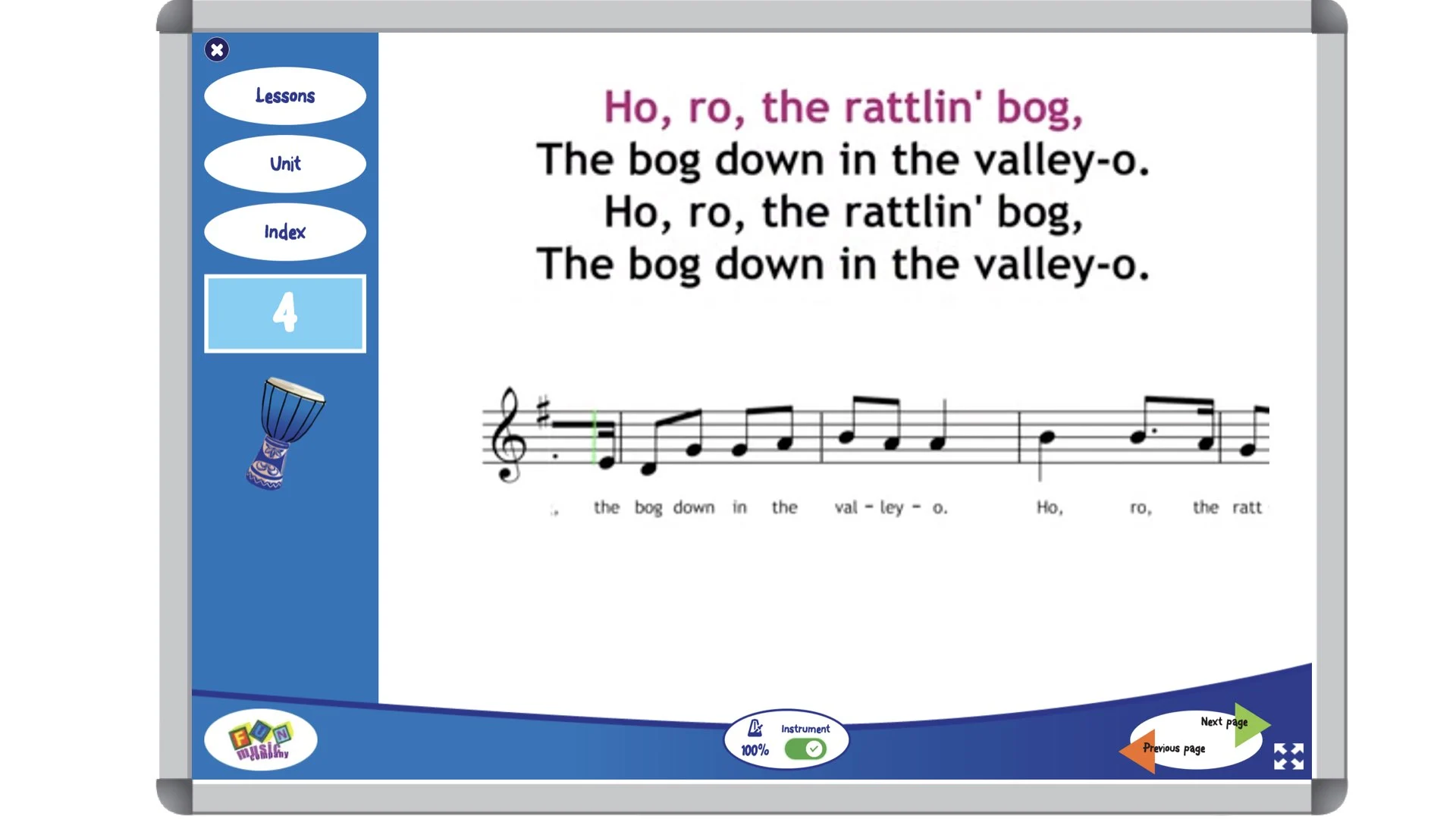
Click here to view the play-along video of “The rattlin’ bog” from the Fun Music Company. Click the link below and bookmark the page below to use in the classroom.
The Complete “Rattlin’ Bog” SING & PLAY Arrangement (Members)
If you loved the play-along resource above, wait until you see what Fun Music Company members get access to!
We’ve created a complete 7-step SING & PLAY arrangement of “The Rattlin’ Bog” — designed specifically for Grades 3 and 4 — that takes your students from their very first listen all the way through to a full ensemble performance. Every step is scaffolded so that even if you’re not a specialist music teacher, you can confidently lead each part of the lesson.
Here’s a look at every step of the arrangement:
Step 1 – Introduction Video (Free for all visitors!)
Every great lesson starts with context and excitement! The introduction video sets the scene for students, giving them a feel for the song before they start singing or playing. It’s the perfect hook to get your class curious and engaged right from the start.
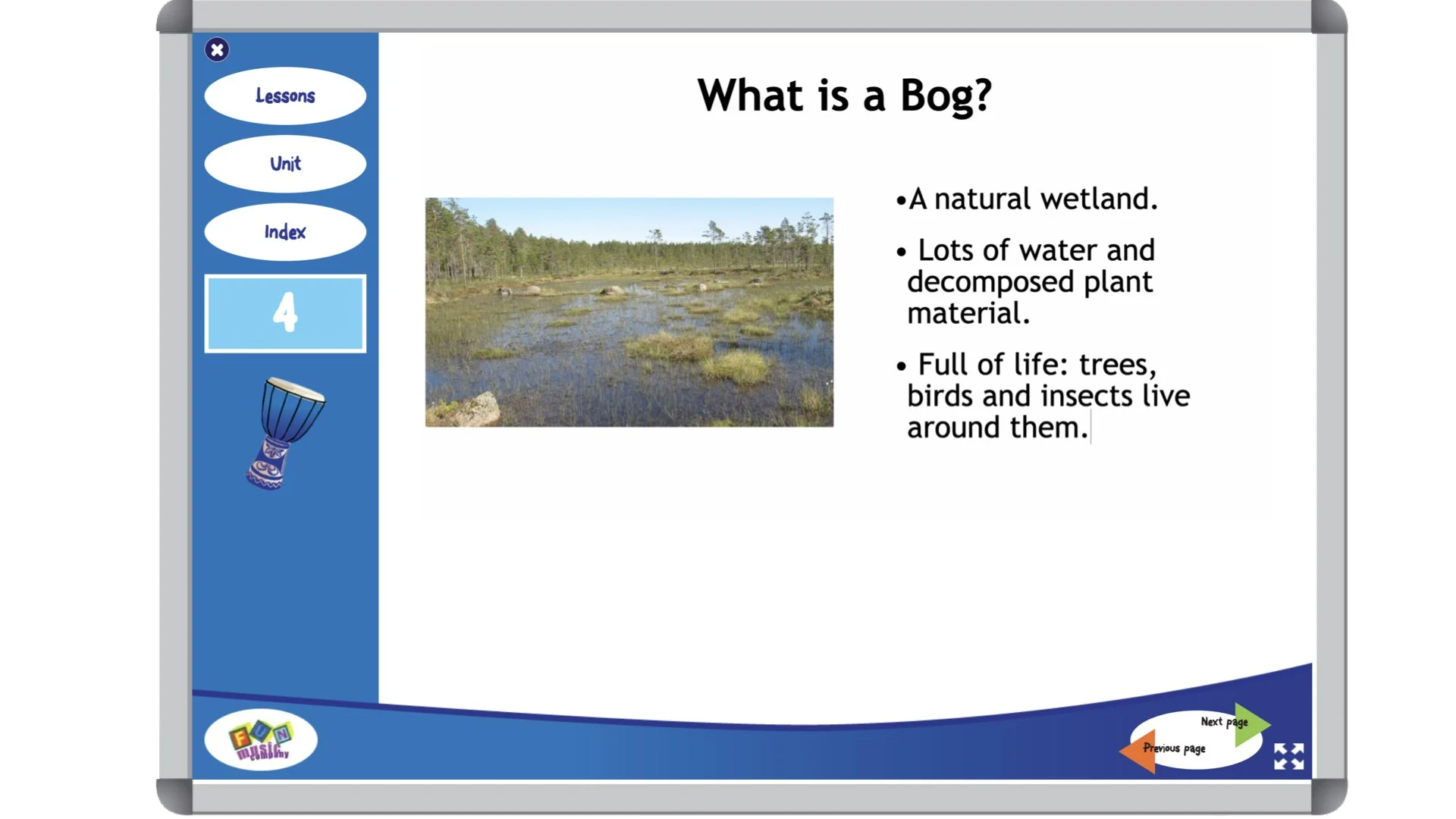
Click here to watch the introduction video (same as the resource above)
Step 2 – Singing the Song (Free for all visitors!)
Once students have heard the song, it’s time to join in! This step guides your class through learning the melody and the cumulative lyrics of “The Rattlin’ Bog” — one of the most fun, memory-building songs you’ll ever teach. The cumulative structure means every new verse adds to the last, so students are challenged to keep up as the song builds.
Click here to sing the song (same as the resource above)
Step 3 – Untuned Percussion Tutorial (Members)
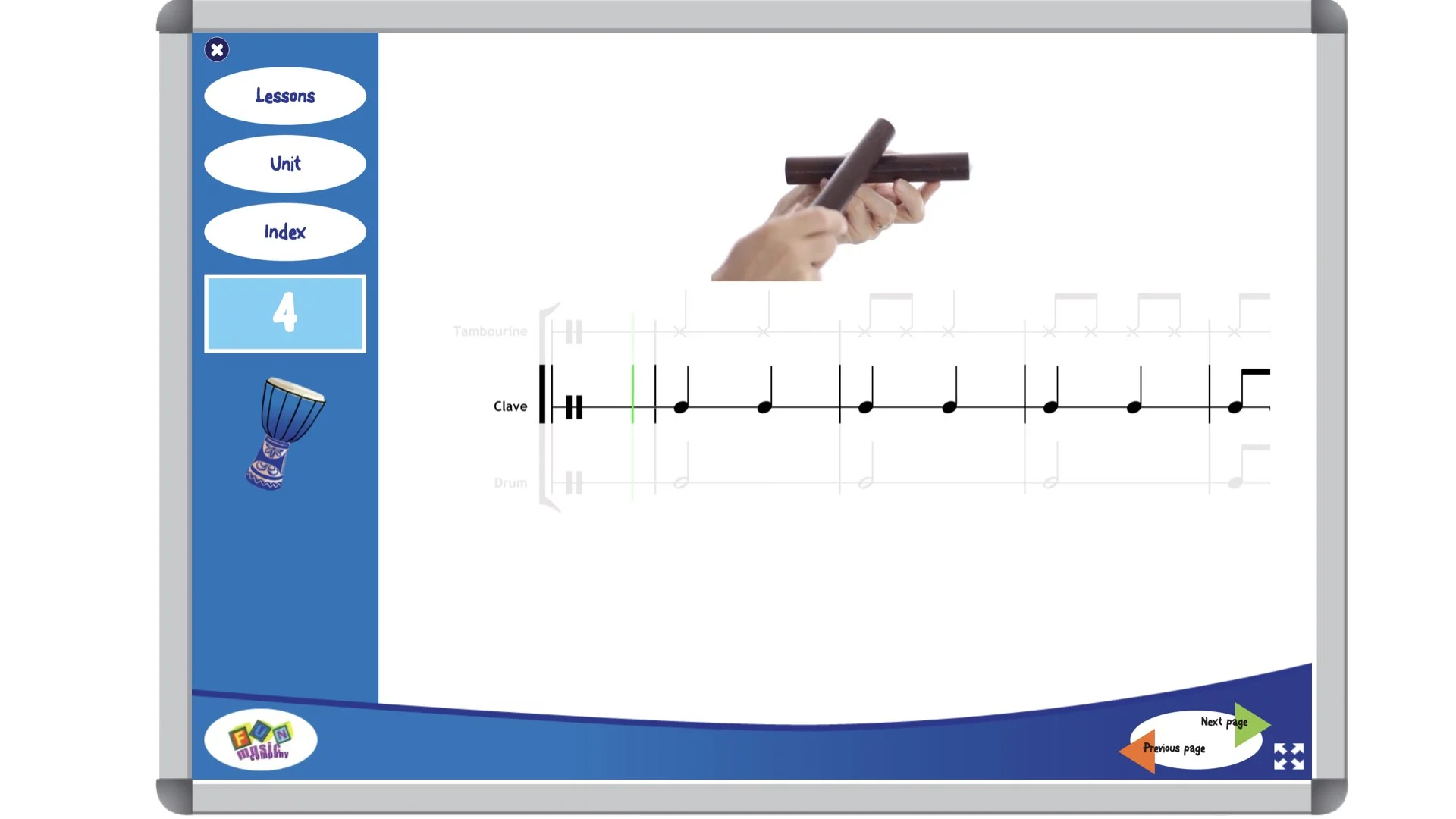
In this step, students learn the rhythms of the untuned percussion parts through a clear, step-by-step tutorial. No prior experience needed — the tutorial walks through each pattern so your class can build confidence before picking up an instrument.
🔒 Steps 3–7 are available to Fun Music Company members. Login here »
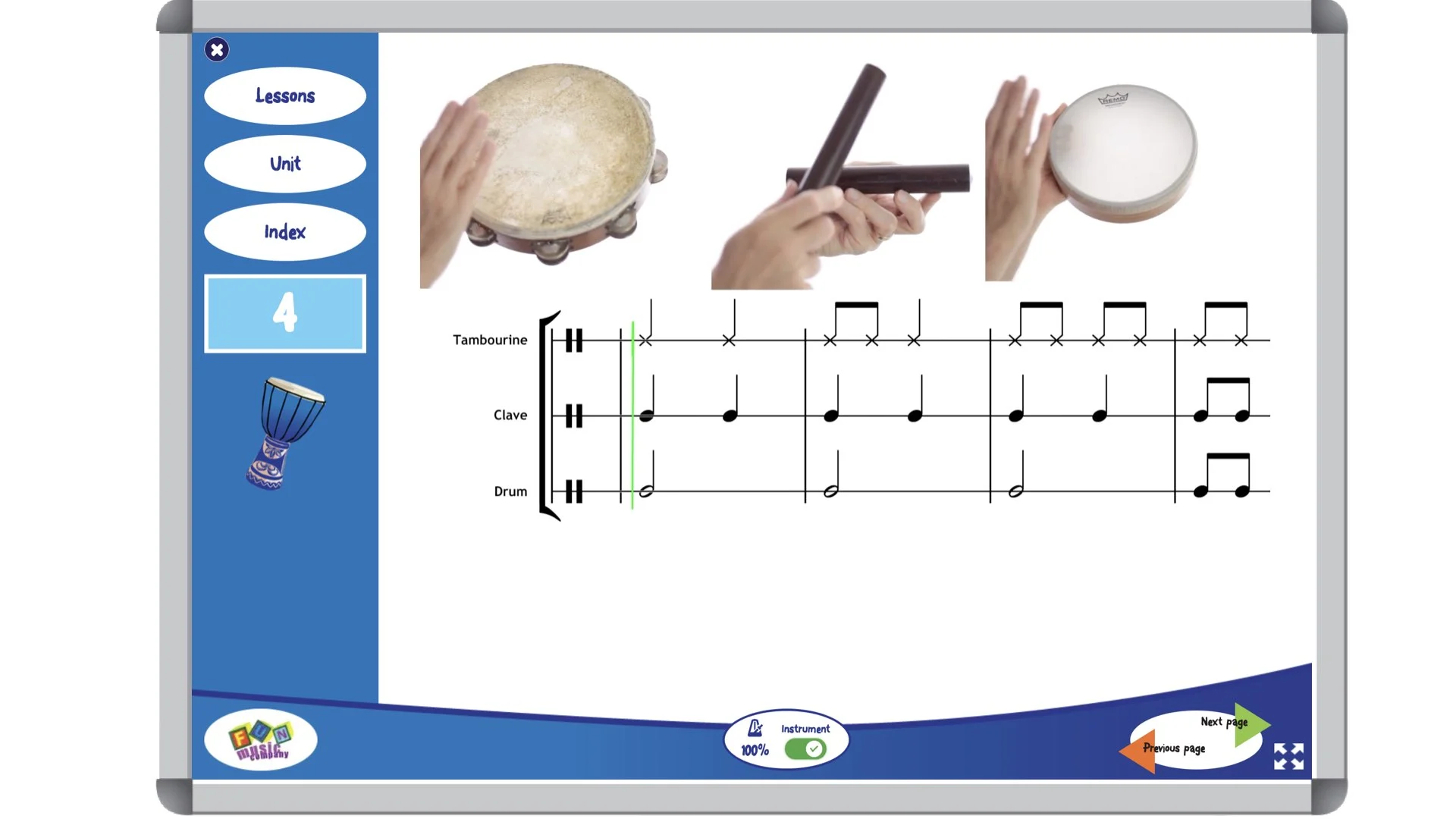
Step 4 – Untuned Percussion Score (Members)
Once students know their parts, they perform with the interactive score — complete with variable tempo controls (speed it up or slow it down as your class is ready) and instrument on/off controls. This means students can have support when they need it, and play independently when they are ready.
🔒 Steps 3–7 are available to Fun Music Company members. Login here »
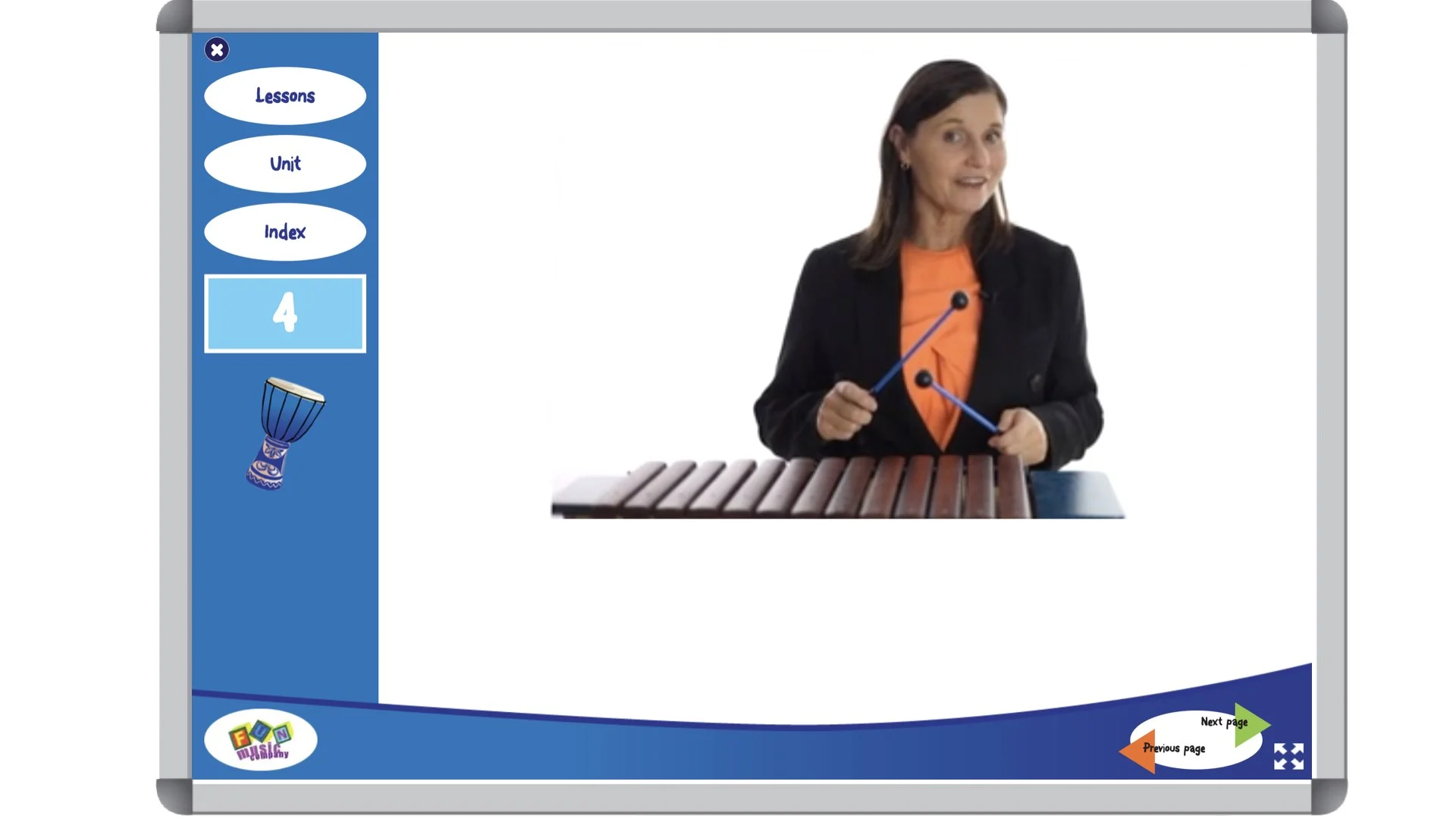
Step 5 – Tuned Percussion Tutorial (Members)
Now the melody comes to life! This tutorial teaches students the tuned percussion part step by step — ideal for xylophones, glockenspiels, marimbas, or mettalophones. Even students who have never played a tuned instrument before can follow along and feel successful.
🔒 Steps 3–7 are available to Fun Music Company members. Login here »
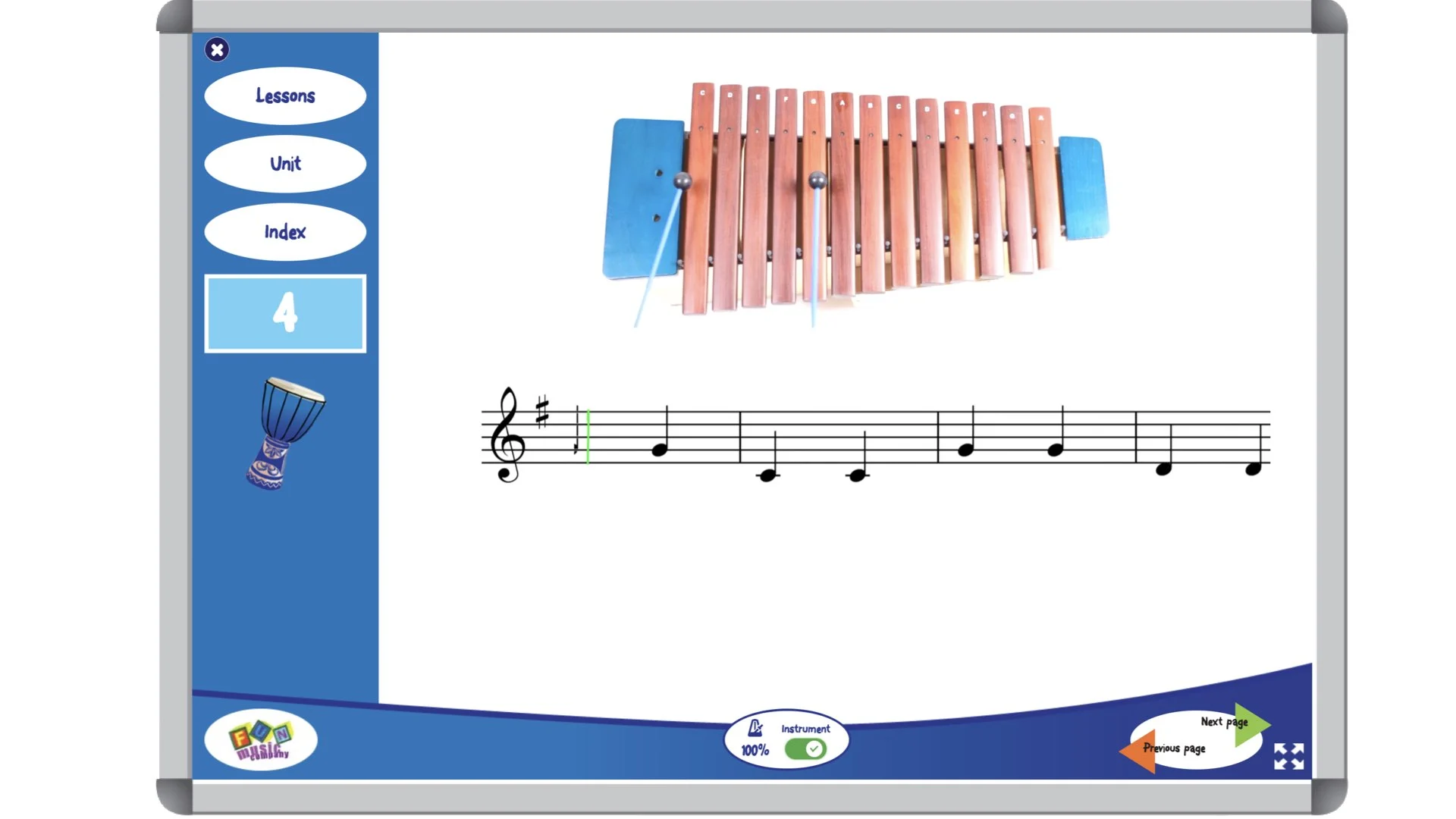
Step 6 – Tuned Percussion Score (Members)
The tuned percussion score gives students the chance to perform their part alongside the full arrangement, with variable tempo controls to adjust the pace as they build fluency. Students can have the support they need with the instrument display on/off control – moving from following along with the displayed instrument through to reading the sheet music independently.
🔒 Steps 3–7 are available to Fun Music Company members. Login here »
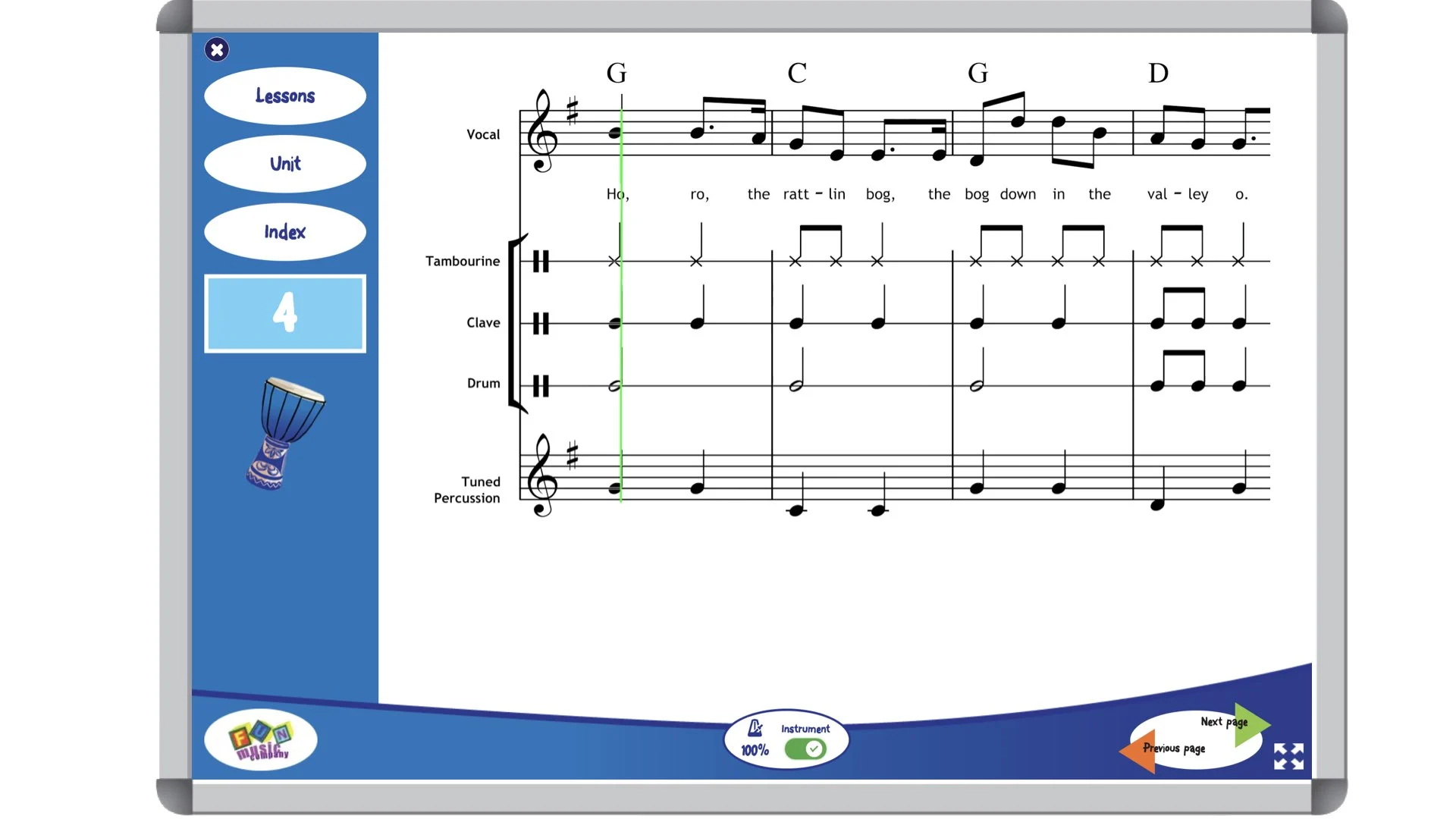
Step 7 – Ensemble Performance Score (Members)
This is what the class can work towards! The full ensemble performance score brings together the singing, untuned percussion, and tuned percussion parts into one cohesive performance. Students can prepare this ensemble arrangement for a class performance, or teachers can record it for assessment purposes.
🔒 Steps 3–7 are available to Fun Music Company members. Login here »
Ready to access all 7 steps?
Fun Music Company members get instant access to the complete Rattlin’ Bog SING & PLAY arrangement, plus hundreds of other ready-to-use lessons across every grade from K–6.
Members: Access The Rattlin’ Bog SING & PLAY now »
Not a member yet? Find out how the Fun Music Company Music Curriculum can save you hours of planning every single week.
Activity 3: Learning About The Corrs
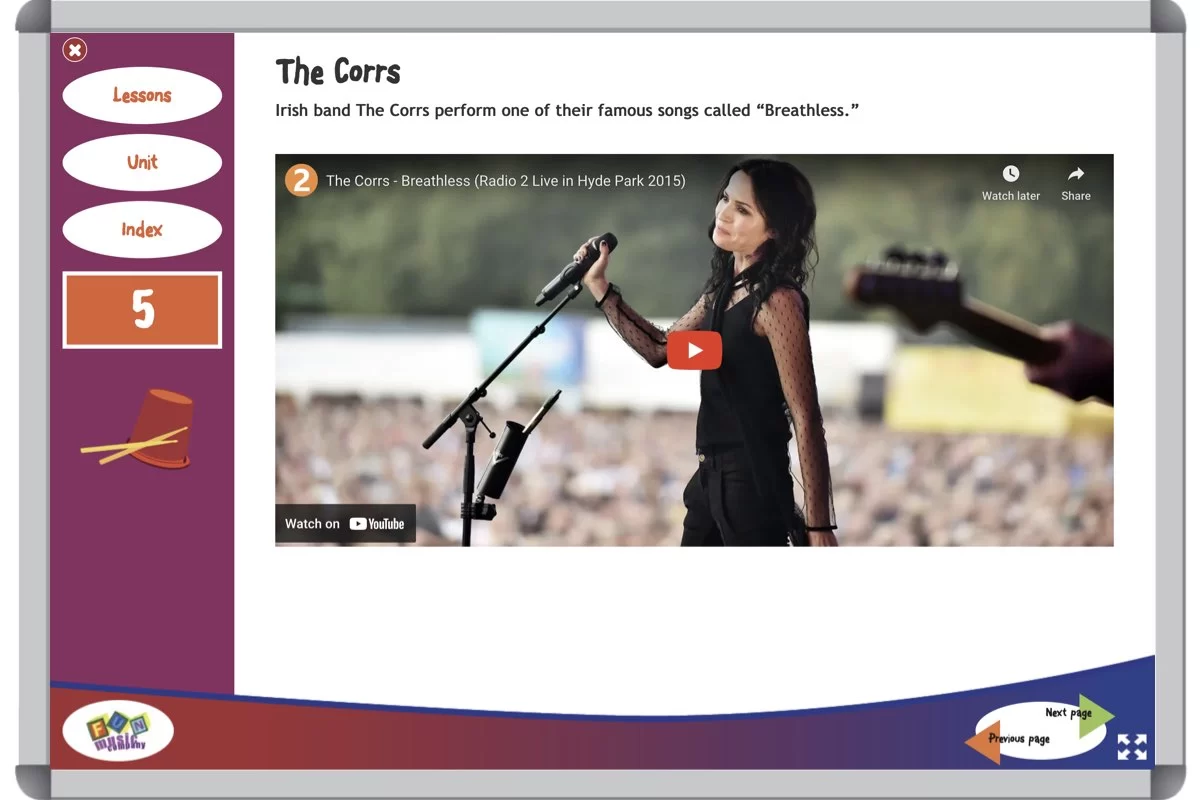
The Irish band The Corrs provide an excellent bridge between traditional Irish music and contemporary pop, showing students how cultural traditions evolve and remain relevant.
Background Information on The Corrs
1. Band Formation and Members
- Siblings from Dundalk, County Louth, Ireland: Andrea (lead vocals, tin whistle), Sharon (violin, vocals), Caroline (drums, bodhrán, vocals), and Jim Corr (guitar, keyboards, vocals)
- Formed in 1990
- Blend traditional Irish music with pop/rock elements
- Multi-instrumentalists who showcase traditional Irish instruments in a modern context
2. Musical Style and Influence
- Fusion of Celtic folk music with contemporary pop/rock
- Incorporation of traditional instruments alongside modern ones
- Harmonies reflecting Irish musical traditions
- Evolution of their sound through different albums
3. Cultural Impact
- International success bringing Irish music to global audiences
- Revitalizing interest in traditional Irish music among younger generations
- Representing Ireland’s cultural heritage on the world stage
- Collaborations with traditional Irish musicians
Step through this step-by-step CONNECT lesson
As our music curriculum members are aware, the Fun Music Company CONNECT lessons step through a consistent, logical progression in every lesson, which develops for each grade. There are 20 of these lessons in every grade of our program, meaning that members have access to 140 of these lessons.
Below is a lesson from our Grade 5 Music curriculum about the Corrs and their song “Breathless”

Conclusion
Whichever of these activities you include, you can bring it together by discussing:
- The continuity between traditional instruments, folk songs, and contemporary Irish music
- How cultural traditions evolve while maintaining their distinctive characteristics
- The role of music in preserving and celebrating cultural heritage
Have students reflect on what they’ve learned by writing a brief response about their favorite aspect of Irish music, or discussing how learning about another culture’s music helps us understand our own musical traditions better.
These St. Patrick’s Day music lesson ideas do more than celebrate the holiday. They help students explore Irish musical heritage, build performance skills, and understand how traditional music continues to evolve. Through these activities, students can connect with history while appreciating the role of Irish music today.”
Get a full program of lessons with the Fun Music Company music curriculum program
It includes:
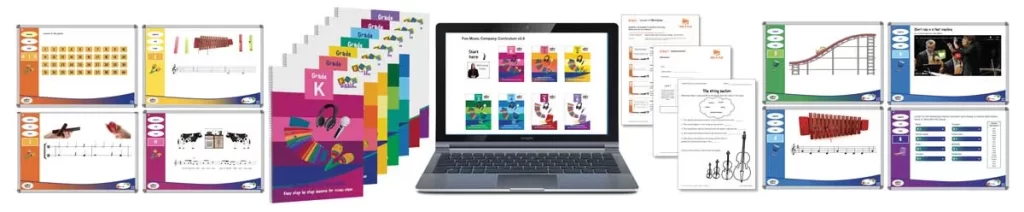
- 40 pre-programmed lessons for every grade from K-6.
- Complete SING & PLAY arrangements with singing, untuned and tuned percussion.
- 20 unique COMPOSE lessons in every grade.
- Structured assessments matching curriculum requirements.
So yes, you can create your own music appreciation curriculum for primary or elementary school.
This page has given you many insights on how to do that. However, if you don’t have time, the Fun Music Company Music Curriculum will give you a head start. As well as music listening, you’ll have the rest of your curriculum covered as well!





What a great resource. Thank you!
You’re welcome Tanya! So glad you enjoyed it :)