


How to Explain Beat vs Rhythm to Primary or Elementary Students
How do you explain beat vs rhythm to primary students without getting lost in complicated music theory?
Rhythm and beat are fundamental elements of music, and teaching them well is vital for successful music education programs.
However, teaching beat vs rhythm can feel overwhelming when you’re just starting out. Questions like:
- “How to explain beat vs rhythm to primary students in a way they’ll actually understand?”
- “How to explain beat vs rhythm to elementary students without confusing them?”
- “What’s the simplest approach to explaining beat vs rhythm that actually works?”
The good news is your students already understand this concept perfectly – they just don’t know the fancy music words for it yet!
The Secret to Teaching Rhythm vs Beat
When I first started teaching music, I thought I needed to dive into all sorts of complex music theory to explain this difference. I was overthinking it completely!
Then I discovered something amazing: kids already understand rhythm and beat instinctively. They feel it when they walk, when they sing, when they move to music. The challenge isn’t teaching them the concept – it’s giving them the words to describe what they already know.
Here’s the secret: Don’t start with definitions. Start with what they can FEEL and DO.
The 3-Step Method That Works Every Time
Step 1: Feel the Beat First
Just like we do when teaching steady beat to first graders, start by connecting it to their heartbeat. Have them tap along with their hands on their laps, explaining that this steady pulse goes on continually – like marching or walking to the beat.
Use any familiar song and have them feel that steady, never-changing pulse underneath the music.
Step 2: Introduce “The Way the Words Go”
Now here’s the magic phrase that music educators around the world use: “Rhythm is the way the words go.”
Take a song they know – let’s use the classic nursery rhyme “The Wheels on the Bus”:
First: Have them clap the steady beat with you as you sing or say the words:
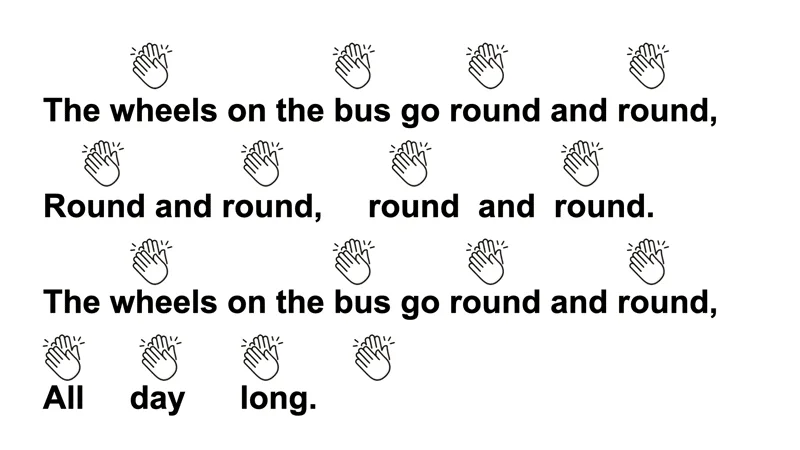
Then say: “Now I’m going to clap the way the words go!”
and clap to the rhythm of the words:
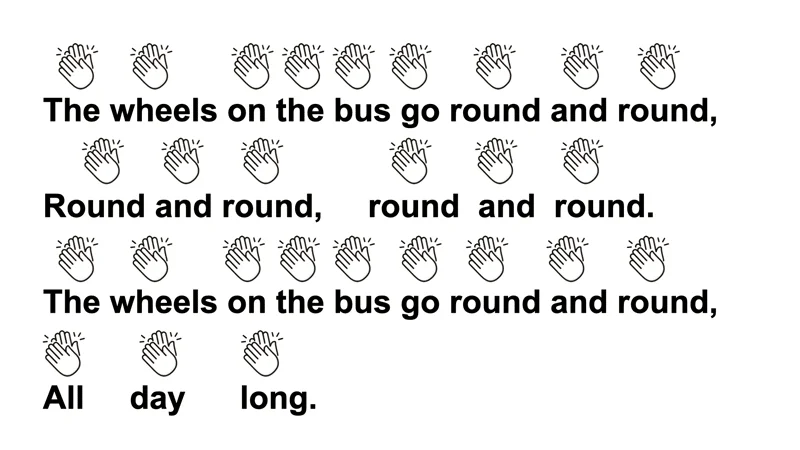
Now ask: “What did I do differently those two times?”
This is where the magic happens! You’re allowing the children to explain that difference in a way that makes sense to them.
Step 3: Give Them the Vocabulary
Only AFTER they can feel and do the difference, then you tell them:
“That steady heartbeat pulse we’ve been patting? That’s called THE BEAT. And the way the words go? That’s called THE RHYTHM.”
Why This Method Actually Works
Don’t expect your students to get this understanding right away. It will take time and practice. This is something that doesn’t happen overnight, and that’s completely normal!
Remember: kids don’t need to understand music theory to FEEL music. Let them experience it first, THEN give them the vocabulary.
The beautiful thing about this approach is that it:
✔ Builds on what they already know (walking, talking, heartbeat)
✔ Uses physical movement to make abstract concepts concrete
✔ Lets them discover the difference themselves
✔ Avoids overwhelming them with theory before they’re ready
Making It Stick in Your Classroom
Here are some additional ways to reinforce this concept:
Consistent Visual Support: Choose a way that you’ll always represent beat (eg a colour, or a symbol) and always represent rhythms on the whiteboard.
Consistent Movement and Body Percussion: Have students always tap on their laps when you ask them to follow a BEAT, and have them clap when asking them to present a RHYTHM.
Daily Practice and Reinforcement: Keep continually referencing and talking about Beat and Rhythm. Students won’t retain this concept after just one lesson, but rather will get it after consistent and continued reinforcement.
Your Action Plan for Tomorrow’s Lesson
Ready to try this simple approach? Here’s what you need to do:
- Start with the beat – Use the heartbeat connection
- Add familiar songs – Let them clap the steady beat first
- Switch to “the way the words go” – Have them discover the difference
- Give them the vocabulary – Only after they can feel it
- Practice, practice, practice – Make it a regular part of your routine
Free Resources to Get You Started
Rhythm vs Beat Activity Pack

Use this slide and have students point to the beat as they tap along to music.
In this lesson students will work on their steady beat while learning a fun version of the song “Hickory Dickory Dock”
Students will develop their rhythm skills by listening and replicating a given rhythm pattern.
Want a Complete Music Program That Teaches All the Fundamentals?
If you love this simple approach to teaching rhythm vs beat, imagine having an entire music curriculum where every fundamental concept is taught this clearly and systematically!
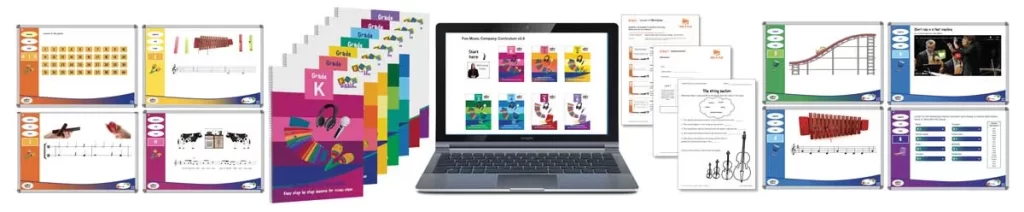
The Fun Music Company curriculum program takes all the guesswork out of teaching music concepts like rhythm, beat, melody, and so much more.
You’ll get:
✔ Step-by-step video lessons that show you exactly how to teach each concept
✔ Progressive skill building that connects rhythm and beat to advanced musical learning
✔ All materials included – visual aids, songs, activities, and assessments
✔ Proven teaching methods that work with all learning styles
✔ Time-saving lesson plans that free up your precious planning time
Stop wondering if you’re teaching music concepts correctly. Join thousands of teachers who’ve discovered the joy of confident, effective music education!
Ready to transform your music program?
Discover how the Fun Music Company curriculum makes teaching fundamental music concepts as natural as feeling a heartbeat!
Your students are ready to discover the difference between rhythm and beat – and now you have the simple, effective method to help them succeed!






Leave A Comment