


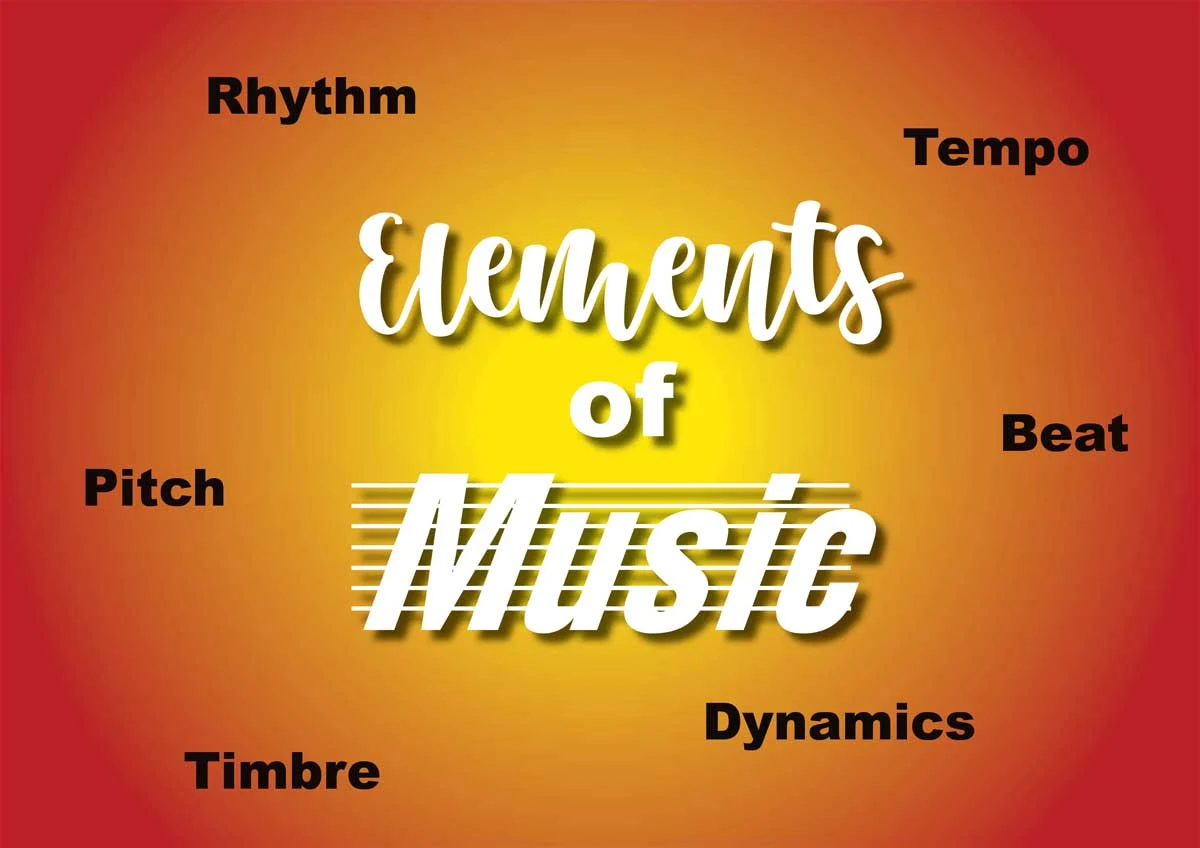
Elements of Music: The Complete Guide for Australian Teachers
If you’ve ever felt confused about the elements of music—wondering whether there are six, seven, or even eight elements, and why different curriculum documents seem to contradict each other—you’re not alone. This confusion is one of the biggest challenges facing music educators across Australia, especially generalist primary teachers who are expected to teach music without specialist training.
The good news? Once you understand what the elements of music actually are and how they work together, teaching music becomes significantly more manageable. Even better, there’s a clear, logical framework that cuts through the curriculum confusion and makes these concepts easy to grasp—and even easier to teach.
In this comprehensive guide, we’ll explore what the elements of music are, clarify the differences between various Australian curriculum documents, and show you practical, proven ways to teach these concepts to students from Kindergarten through to Grade 6 using the Fun Music Company Curriculum approach.
What Are the Elements of Music? A Clear Framework
How Many Elements of Music Are There?
Before we dive into curriculum documents and terminology debates, let’s establish a clear understanding of what the elements of music actually are.
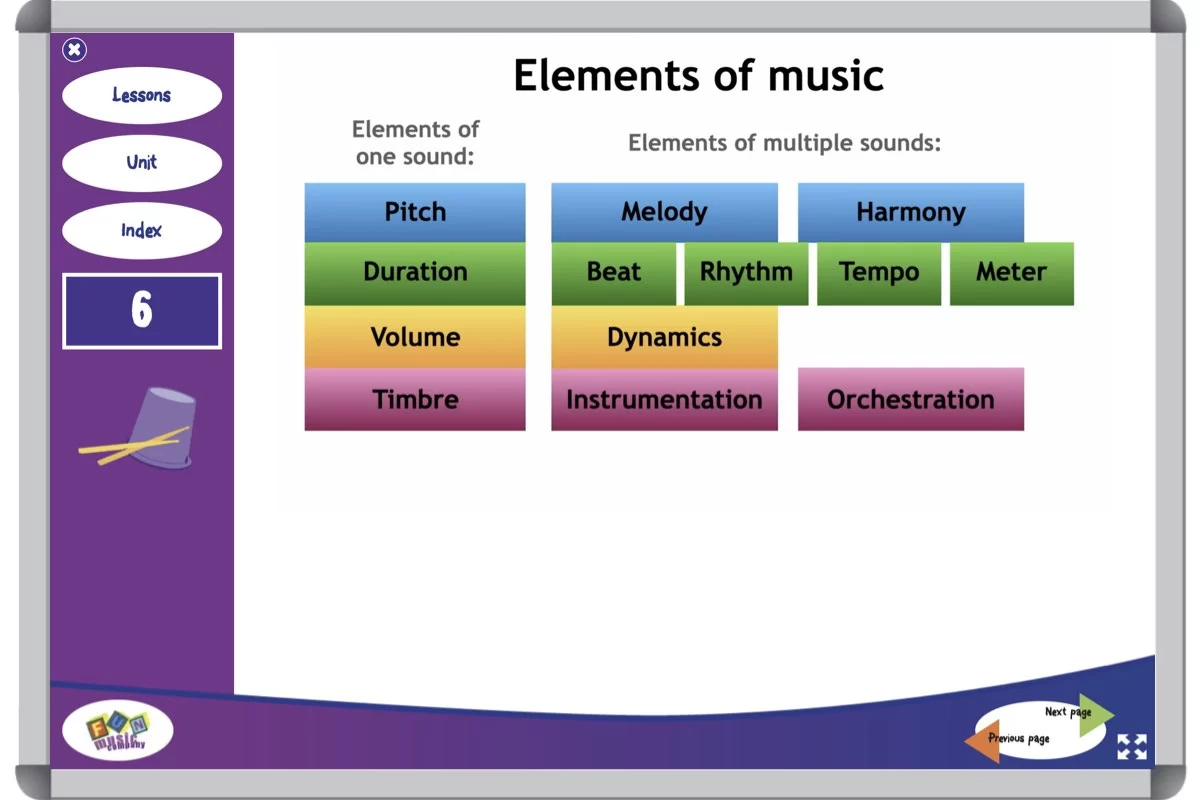
At the Fun Music Company, we’ve developed a framework that makes sense of all the various terms and definitions you’ll encounter. It’s based on a simple principle: understanding the difference between elements of a single sound versus elements of multiple sounds (i.e., music itself!).
Here’s how it breaks down:
| Elements of a SINGLE SOUND | Related Elements of Multiple Sounds (MUSIC) |
|---|---|
| PITCH | Melody, Harmony |
| DURATION | Beat, Rhythm, Tempo, Meter, Form |
| VOLUME | Dynamics |
| TIMBRE | Instruments, Voices, Orchestration |
This framework helps clarify why different curriculum documents list different numbers of elements. Some focus on the fundamental properties of sound (pitch, duration, volume, timbre), while others include the musical concepts that emerge when these fundamental elements combine and interact (melody, harmony, rhythm, form, etc.).
Understanding this distinction is crucial because it helps you see that terms like “expression,” “key signature,” or “performing media” aren’t separate elements—they’re either ways of combining the fundamental elements or specific terminology for describing them.
Let’s break down each fundamental element:
Pitch
Pitch is how high or low a sound is. When multiple pitches are organised in sequence, we get melody. When multiple pitches sound simultaneously, we create harmony. Understanding pitch is fundamental to all musical learning.
Duration
Duration refers to how long a sound lasts. From this single element emerge several musical concepts:
- Beat: the steady pulse underlying music
- Rhythm: patterns of long and short sounds
- Tempo: how fast or slow the beat moves
- Meter: the organization of beats into patterns
- Form: the overall structure created by organizing musical sections over time
Volume
Volume is simply how loud or soft a sound is. In music, we call the use of volume dynamics—the variations in loudness that bring expression and meaning to performance.
Timbre
Timbre (pronounced “TAM-ber”) is the quality or color of a sound—what makes a trumpet sound different from a violin, even when playing the same pitch. When we talk about different timbres in music, we’re discussing instruments, voices, and orchestration (how different sound sources are combined).
A Framework for Teachers, Not Students
This framework encompasses everything you need to teach about the elements of music, regardless of which curriculum document you’re working with.
It’s important to note that this table is our teacher framework—a technical explanation that helps educators understand the logical structure behind the elements.
In the Fun Music Company Curriculum we don’t introduce this table to students until Grade 6. Instead, students build this understanding progressively through hands-on experiences from Kindergarten onwards, only seeing the complete framework once they’ve internalized these concepts through years of active music-making.
The Australian Curriculum Confusion: Why Different States List Different Elements
If you’ve looked at curriculum documents from different Australian states and territories, you’ve probably noticed they don’t all agree on how many elements of music exist or even what to call them. This isn’t your imagination—there genuinely are differences.
Here’s a quick comparison:
Australian Curriculum v9 lists six elements: Duration/time (including beat, rhythm), Pitch, Dynamics and expression, Form or structure, Timbre and Texture.
The NSW Creative Arts Syllabus lists eight elements: Duration, Pitch, Texture, Performing media, Timbre, Dynamics, Expression, Structure.
The Victorian Curriculum includes seven elements: Duration (including tempo, rhythm and metre), Pitch, Tone colour/timbre, Texture, Structure/form, Dynamics, Articulation.
The Western Australian Curriculum references ten concepts: Dynamics, Expression, Form/Structure, Key, Key signature, Pitch, Rhythm, Texture, Timbre, Tonality.
It’s no wonder teachers feel overwhelmed!
How can we confidently teach music when the very foundations—the basic terminology—seem to shift depending on which state you’re in?
Here’s the important thing to understand: these differences largely reflect different approaches to organizing and naming the same fundamental concepts. Some include broader categories (like “expression”), some separate concepts that others group together (like “dynamics” and “expression”), and some include music theory terminology (like “key signature” and “tonality”) alongside the basic elements.
The practical reality is this: when you understand that the the four fundamental elements of a single sound—pitch, duration, volume, and timbre—and how they combine to create musical concepts like melody, rhythm, harmony, and orchestration, you have everything you need to teach music effectively, regardless of which specific curriculum document you’re following.
At The Fun Music Company, we’ve spent over 15 years working with hundreds of Australian schools to make music teaching manageable for generalist teachers, so that is why we’ve looked extensively into this issue of language around the elements of music.
Understanding the Australian Curriculum v9 Elements
Since the Australian Curriculum v9 provides the national framework, let’s look specifically at how it defines the elements of music:
“Duration/time (including beat, rhythm), pitch, dynamics and expression, form or structure, timbre and texture.”
Notice how this definition groups related concepts together. Duration encompasses beat and rhythm. Dynamics includes expression. These groupings reflect our fundamental framework perfectly.
How These Map to Our Framework:
- Duration/time (including beat, rhythm) = Our DURATION element, which creates beat, rhythm, tempo, meter, and form
- Pitch = Our PITCH element, which creates melody and harmony
- Dynamics and expression = Our VOLUME element (dynamics), where expression emerges from how we manipulate volume and other elements
- Timbre and texture = Our TIMBRE element, where texture describes the effect of orchestration—how different timbres layer and combine
- Form or structure = An aspect of our DURATION element—how musical material is organized over time
Understanding these connections helps you see that you’re not dealing with completely different concepts across curricula—just different ways of organizing and describing the same musical fundamentals.
Teaching the Elements of Music Naturally Through Experience
Understanding the elements of music as a framework is one thing — but for primary students, that understanding needs to be built through doing, not defining. The most effective way to help children internalise the elements is through carefully chosen instruments and activities that make each element tangible and immediate.
Pitch is perhaps the most abstract element for young students to grasp, because you can’t see it or touch it. This is where Boomwhackers are particularly powerful — the colour-coded tubes make pitch visible and physical. Students quickly discover that longer tubes produce lower sounds and shorter tubes produce higher ones, turning an abstract concept into something they can hold in their hands and hear for themselves.
Beat and rhythm are best introduced through body percussion and movement before any instrument enters the picture. Clapping, patting, and stamping give students a felt sense of the steady pulse that underpins all music — and that physical understanding transfers directly when they pick up drums, sticks, or any classroom percussion instrument. Our bucket drumming program is one of the most effective ways we’ve found to develop beat and rhythm skills in upper primary students.
Dynamics and volume come alive through singing and playing — asking students to perform the same phrase loudly, then softly, then somewhere in between. Simple as it sounds, this kind of controlled contrast is one of the most effective ways to develop expressive awareness in young musicians.
Timbre develops naturally as students are exposed to a variety of instruments and voices over time. Rather than teaching it as a concept in isolation, the most effective approach is simply to ensure students encounter a wide range of sounds across their K–6 experience — and are regularly asked to describe, compare, and respond to what they hear. In the Fun Music Company Curriculum, timbre listening games appear throughout the SKILLS section, giving students repeated, structured opportunities to develop their ear for tone colour across every year level.
For upper primary students, bucket drumming is one of the most effective ways to develop these concepts in practice — playing in ensemble requires students to internalise steady beat, read rhythmic patterns, and respond to dynamic changes in real time.
How Children Learn the Elements: A K-6 Progression
One of the biggest mistakes in music education is trying to teach all the elements of music at once, or teaching them abstractly without adequate experiential foundation. Children need to build their understanding progressively, starting with concrete experiences and gradually developing more sophisticated conceptual understanding.
Here’s how we approach teaching the elements of music across the primary years:
Foundation Phase: Kindergarten to Grade 2
In the early years, we focus on one element at a time, always through direct experience rather than abstract discussion. Young children don’t learn musical concepts well through explanation—they learn by doing, experiencing, and gradually internalizing patterns.
Kindergarten begins with the most fundamental element: steady beat. This is the heartbeat of all music, and establishing a strong sense of beat is critical for everything that follows. We gradually introduce rhythm (patterns of sound and silence), pitch (high and low sounds), and dynamics (loud and soft). Every experience is hands-on, active, and playful.
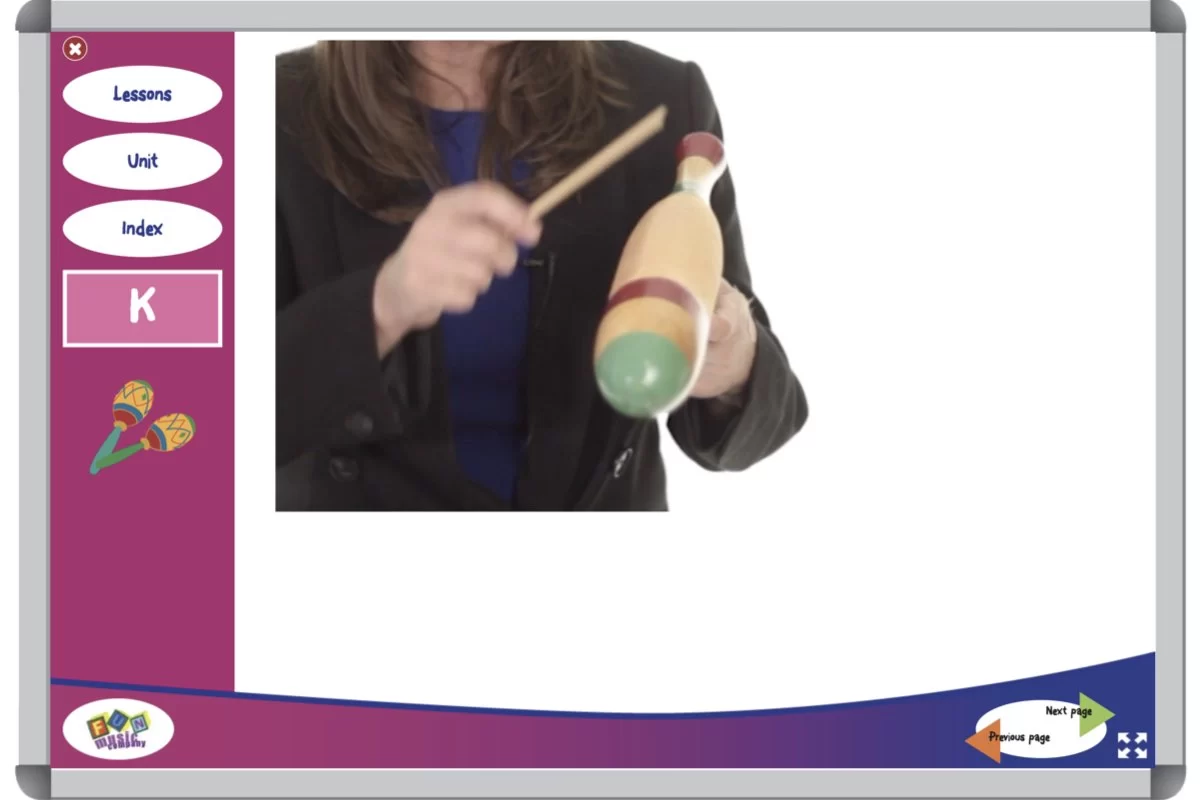
Grade 1 deepens beat work and expands rhythmic vocabulary. We introduce tempo (fast and slow) and continue developing dynamic awareness. Pitch exploration extends into simple melodies, helping students understand how individual pitches connect to create musical lines.
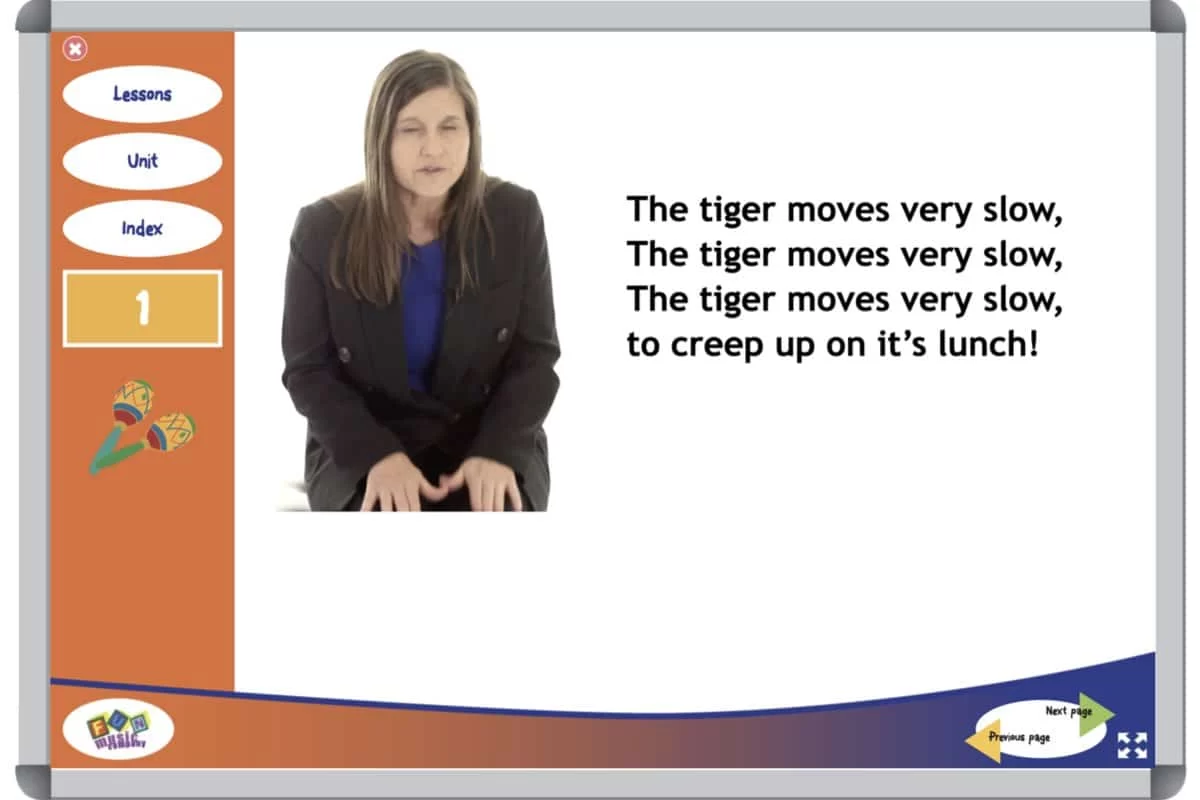
Grade 2 introduces timbre—exploring different sound qualities and instruments. We continue reinforcing beat, rhythm, pitch, melody, tempo, and dynamics. Critically, we still focus on one element at a time, ensuring solid understanding before combining concepts.
Development Phase: Grades 3-4
This is where musical understanding becomes more sophisticated. Students begin controlling and manipulating the elements they’ve experienced in earlier grades.
Grade 3 focuses on developing conscious control over dynamics, tempo, pitch, melody, rhythm, and timbre. Rather than just experiencing these elements, students learn to deliberately manipulate them for specific musical effects. We introduce specific skills exercises that help students control their use of these elements. Lessons may begin combining two elements—for example, exploring how dynamics and tempo work together.
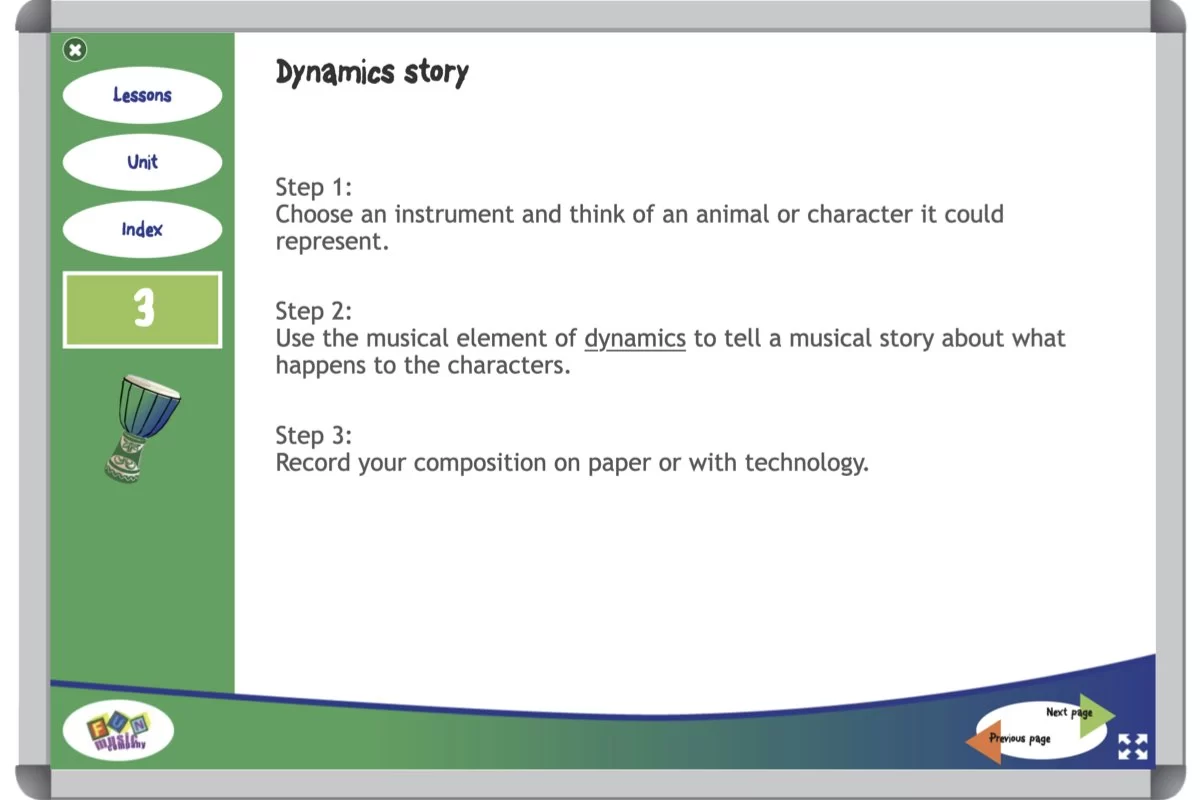
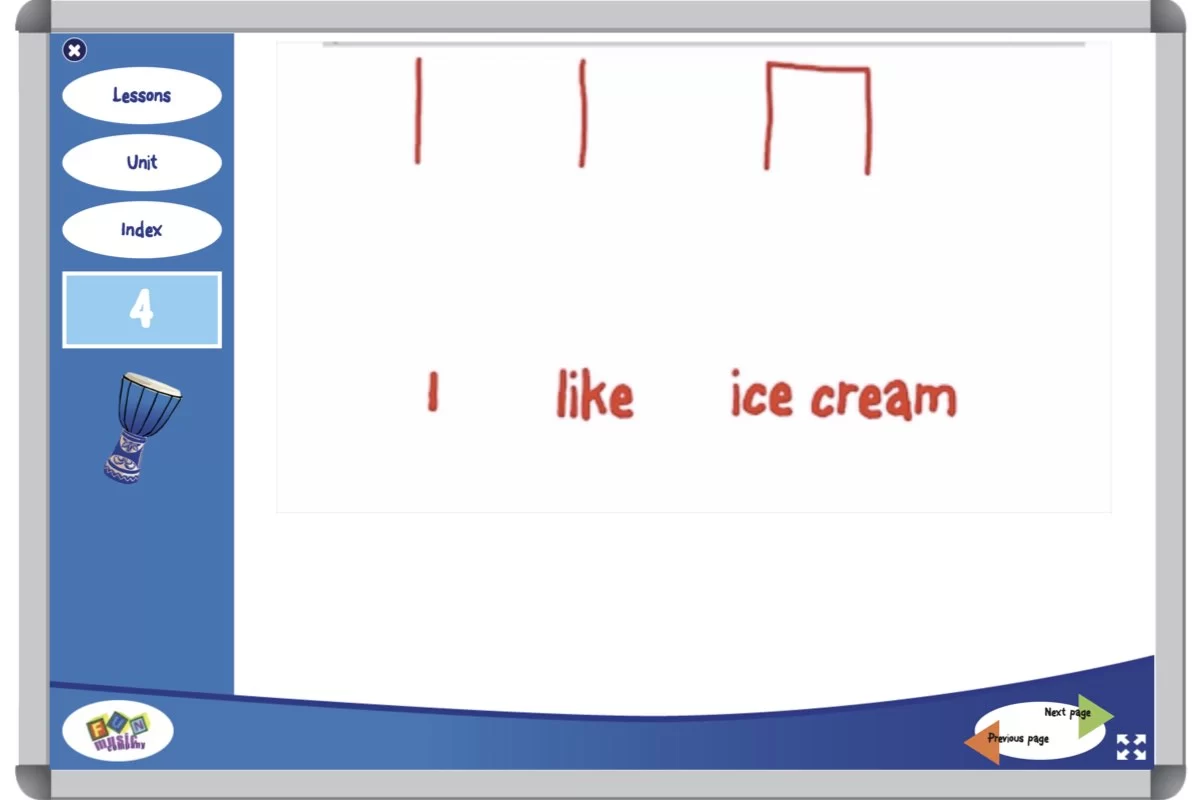
Grade 4 reinforces rhythm, dynamics, tempo, pitch, and melody while introducing two major new concepts. First, we explore form—how music is structured and organised. Second, we introduce harmony through major and minor tonalities, helping students understand how pitches can work together vertically, not just in melodic sequences.
Mastery Phase: Grades 5-6
Upper primary students are ready for deeper, more nuanced understanding of how the elements work together to create musical expression and meaning.
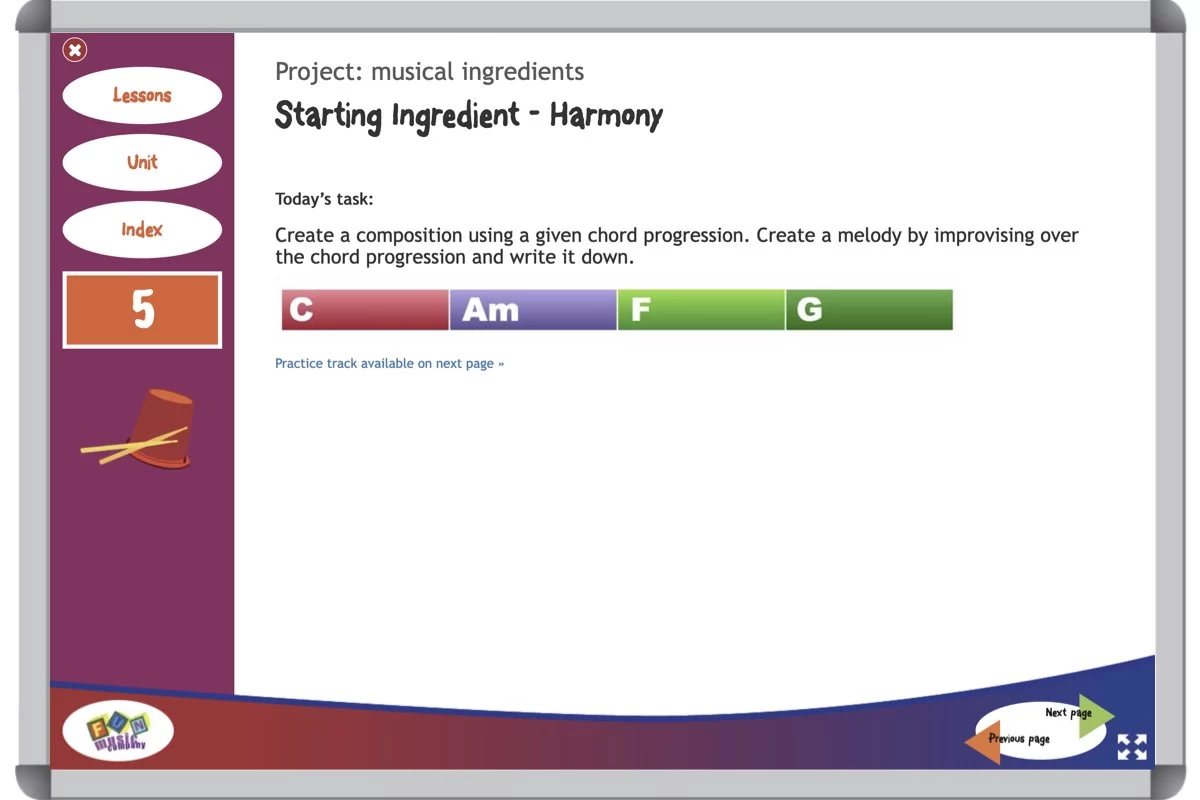
Grade 5 involves sophisticated manipulation and combination of rhythm, melody, dynamics, tempo, and timbre. We introduce meter—understanding how beats group into patterns of twos, threes, and fours. Most importantly, students learn how combining and manipulating elements creates expression and communicates musical ideas. This is where composition work becomes particularly powerful.
Grade 6 brings everything together. Students work with all the elements in our framework, exploring advanced form concepts and—crucially—orchestration. They understand how choosing and combining different instruments and voices (timbres) creates texture and affects the overall musical impact. By this stage, students can consciously manipulate all elements to create sophisticated musical compositions and performances.
This progressive approach ensures students build genuine understanding. They don’t just memorise definitions of musical terms—they develop deep, experiential knowledge of how music actually works.
Grade 2 Example: Teaching Pitch Through “Stairs”
One of the challenges with teaching pitch to young students is that it’s an abstract concept. What does it mean for a sound to be “higher” or “lower”? How do we help seven-year-olds grasp this fundamental element?
The answer lies in connecting the abstract musical concept to concrete, physical experiences they already understand.
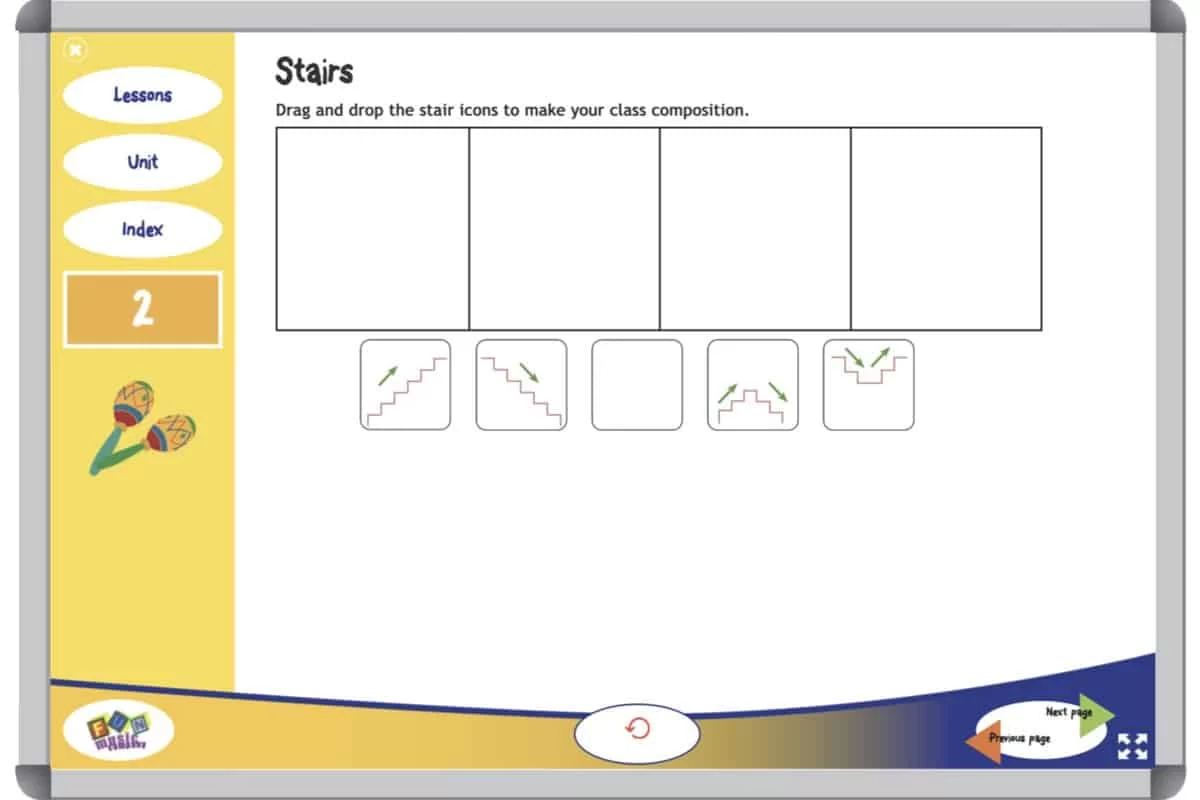
In our Grade 2 composition lesson about stairs, students create a class composition that explores the element of pitch. Stairs provide the perfect visual and kinaesthetic metaphor for understanding pitch:
- Moving UP the stairs = pitch going higher
- Moving DOWN the stairs = pitch going lower
- Going up two steps at a time = bigger jumps in pitch
- Moving up slowly, step by step = smaller, gradual changes in pitch
As students create their composition together, they make genuine musical decisions about pitch direction and pitch movement. They might use instruments like xylophones or chime bars to bring their stair composition to life, actually experiencing how pitch works rather than just discussing it theoretically.
The crucial element here is that students are DOING it—they’re actively manipulating pitch to communicate their musical ideas about stairs. They’re experiencing firsthand how changing pitch creates different musical effects and meanings.
This is exactly what the Australian Curriculum means by “manipulate elements of music to communicate ideas.” Students aren’t just learning vocabulary or identifying pitch in someone else’s music. They’re using pitch as a creative tool.
This approach makes the abstract element of pitch tangible, memorable, and—most importantly—genuinely understood. Students who create compositions exploring pitch develop musical understanding that goes far deeper than those who only learn definitions or labels.
“Stairs” Pitch Lesson Resources
Please find the resources required for this lesson below.
Download the PDF lesson plan to review the lesson, then bookmark the link for use in your classroom.


Grade 5 Example: Teaching Rhythm Manipulation Through “Musical Chefs”
By upper primary, students are ready for more sophisticated composition work—projects they can really sink their teeth into, that challenge them and give them time to develop their ideas over multiple lessons.
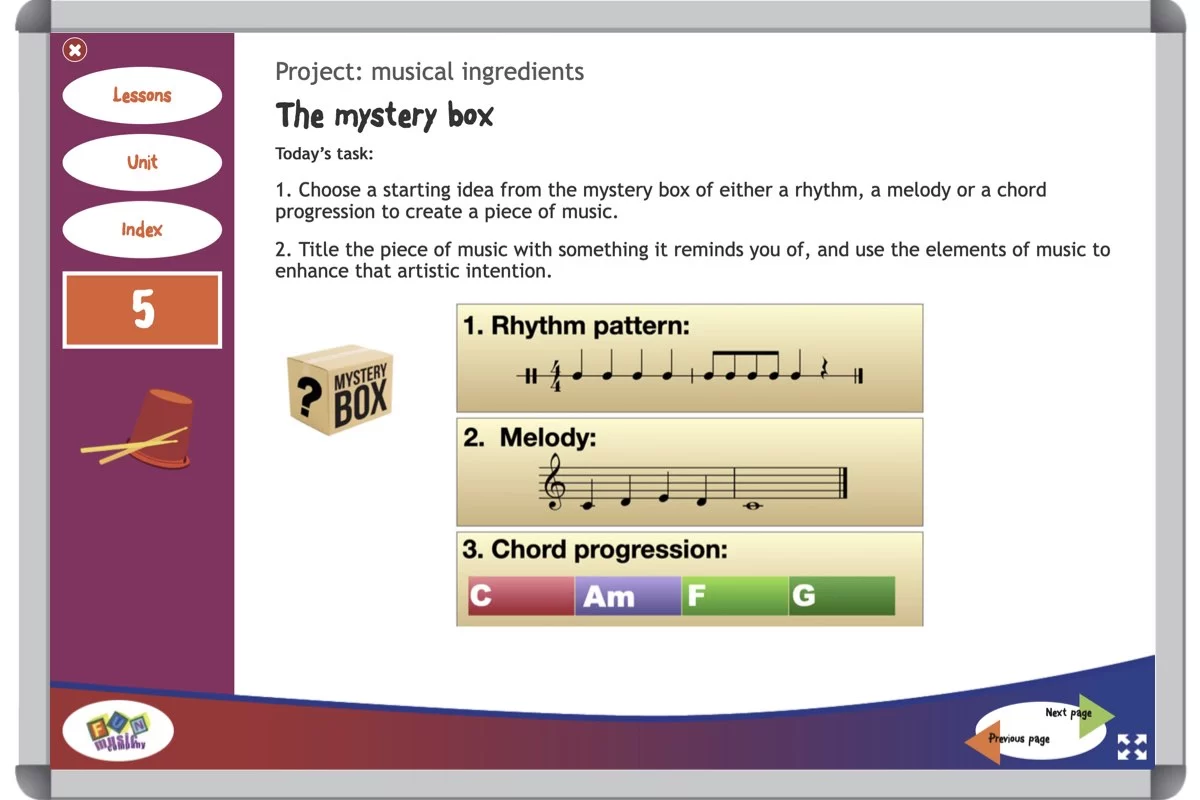
One of our most successful approaches for this age group uses an analogy that resonates strongly with students: cooking shows.
We tell students that the musical elements—rhythm, pitch, dynamics, tempo, timbre, and so on—are like ingredients in cooking. When they become composers, they become CHEFS, combining those various musical ingredients to create something delicious!
Just as a chef needs to understand how different flavours work together, composers need to understand how different musical elements work together to create effective music.
Here’s where it gets really engaging: we give students a “mystery box” of musical ingredients, just like on cooking competition shows. Students might be given specific musical elements they must work with—perhaps a particular rhythm pattern, certain pitches, or specific dynamic contrasts—and they need to create a composition using these ingredients creatively.
In one specific lesson within this project, students focus on the musical element of rhythm. They learn how to take a given rhythm pattern and manipulate it in multiple ways:
- Change the tempo—make it faster or slower
- Add repetition—repeat certain parts of the pattern
- Vary the dynamics—play it loud, then soft, then building back up
- Change the instrumentation—use different sounds or timbres
- Break it apart and rearrange the pieces into new patterns
This skill—taking musical material and transforming it creatively—is essential for composers. Professional composers do this constantly. They don’t always create completely new material from scratch; they take a musical idea and develop it, transform it, play with it, and shape it into something new.
That’s exactly what Grade 5 students learn in this lesson. They’re not just understanding rhythm as an abstract concept—they’re actively manipulating rhythm as a compositional tool.
The beauty of extended composition projects like this is that students have time to really explore, experiment, and refine their ideas. Over four or five lessons, they can try different approaches, receive feedback, make changes, and genuinely develop their composition skills in depth.
This is far more valuable than a quick five-minute composition activity. By the end of a project like Musical Chefs, students have created substantial work, and they’ve developed real understanding of how musical elements can be manipulated to create different effects and communicate different ideas.
Grade 5 Composition Lesson Resources
Find the resources required for this Grade 5 lesson below.
Download the PDF lesson plan to review the lesson, then bookmark the link for use in your classroom.
Beyond Composition: Elements Throughout the Curriculum
While we believe composition is the most powerful way to teach the elements of music—because it puts students in the creative driver’s seat—it’s important to recognise that elements appear throughout all aspects of music learning.
In the Fun Music Company curriculum, students encounter and work with musical elements across all our program components:
SKILLS lessons focus on developing technical control over the elements. Students learn to control their dynamics when singing, maintain steady beat and tempo, manipulate pitch accurately, and develop the physical coordination needed to execute musical elements with precision.
SING & PLAY activities reinforce elements through performance. When students learn songs and instrumental parts, they’re constantly working with rhythm, pitch, dynamics, tempo, and form. They experience how these elements combine to create complete musical works.
CONNECT lessons help students identify and analyse how professional composers and musicians use elements. They learn to recognise melodic patterns, identify different instruments and timbres, notice dynamic contrasts, and understand how form structures organise musical ideas.
But it’s in COMPOSE where students truly internalise these concepts, because they’re making the creative decisions themselves. They’re not just observing or following—they’re actively manipulating the elements to bring their own musical ideas to life.
This comprehensive approach—experiencing elements through performance, analysing them in others’ music, and creatively manipulating them through composition—ensures students develop robust, multi-dimensional understanding that serves them throughout their musical lives.
If you want to deepen your understanding of teaching composition, our composition workshop training provides comprehensive professional development
Making the Elements of Music Easy to Teach
Whether you’re a music specialist or a generalist primary teacher approaching music with uncertainty, teaching the elements of music doesn’t have to be overwhelming.
The key is having:
- A clear framework that makes sense of curriculum terminology
- Age-appropriate progression that builds understanding systematically
- Engaging, practical activities that make abstract concepts concrete
- Composition experiences that put students in the creative driver’s seat
When you have these elements in place (pun intended!), teaching music becomes not just manageable but genuinely enjoyable—for both you and your students.
The curriculum may use different terminology across states. Documents may list six, seven, or eight elements. But when you understand that it all comes down to four fundamental properties of sound—pitch, duration, volume, and timbre—and how these combine to create music, you have clarity.
When you approach teaching through progressive, hands-on experiences rather than abstract definitions, you help students build genuine musical understanding.
And when you give students opportunities to compose—to actively manipulate the elements themselves—you transform them from passive recipients of musical knowledge into active creators who truly understand how music works.
Ready to Transform Your Music Teaching?
The composition lessons featured in this article—the Grade 2 Stairs lesson exploring pitch and the Grade 5 Musical Chefs rhythm manipulation project—are just two examples from the complete Fun Music Company Curriculum.
Our curriculum takes students on a comprehensive journey from Kindergarten through Grade 6, with carefully sequenced lessons that build understanding of all the musical elements progressively. Every lesson is planned out for you, with videos, worksheets, and all the resources you need to teach confidently—whether you’re a music specialist or a generalist teacher with no musical background.
The COMPOSE component alone includes age-appropriate composition activities for every grade level, from simple sound exploration in Kindergarten through to sophisticated extended projects in upper primary. Students progressively develop their ability to manipulate musical elements to express their own creative ideas—exactly what the Australian Curriculum requires.
But it’s more than just composition. The complete curriculum includes SKILLS, SING & PLAY, and CONNECT components that work together to develop well-rounded musical understanding and capability.
Want to see how the Fun Music Company curriculum could work in YOUR classroom?
“Having access to your music program has made the teaching and planning of my music classes SO much easier!”
This was what Liz, a music teacher from a small Catholic school in Sydney wrote to us in an email recently. This is typical of the hundreds of responses we get every week from teachers across Australia using the Fun Music Company Curriculum Program.
Imagine having an entire year of music lessons already planned, prepared, and ready to teach — no more Sunday night scrambles or piecing together resources from different places. That’s exactly what teachers at over 350 schools across Australia are experiencing right now.
Our curriculum program gives you complete, sequential lesson plans for every week of the school year, with videos, worksheets, interactive resources, and everything you need to walk confidently into your music room — whether you’re a specialist or a classroom teacher who’s been asked to teach music.
Ready to see what a week of music lessons looks like in your grade level?
Download a free sample pack below and take it for a test drive in your classroom.

 We value your privacy and would never spam you. We may email you valuable ideas for music teaching once or twice a week, however you can unsubscribe at any time. Check details of our privacy policy here.




Leave A Comment