


Kindergarten Music Lessons: The Complete Guide to Teaching Early Years Music
Have you ever wondered how to create engaging kindergarten music lessons that spark a lifelong love of music in your youngest students?
This guide covers everything you need to know about teaching kindergarten music lessons — from your very first five-minute activity through to building a complete, year-long program that keeps young children engaged, learning, and absolutely loving music.
You may have questions like:
- “Where do I even begin with kindergarten music lessons?”
- “How do I plan effective music lessons for kindergarten that keep 5-year-olds engaged?”
- “What if I don’t have musical training—can I still teach kindergarten music effectively?”
The good news is that creating magical kindergarten music lessons isn’t about having perfect pitch or years of conservatory training—it’s about understanding how young minds learn and creating joyful, meaningful connections with music!
Note: In this guide, “kindergarten” covers early childhood music education for children aged approximately 3–6 years, including preschool and the first years of primary school.
How to Start Promoting Musical Education in Early Years
Start Small: The Magic of Five Minutes
Here’s the secret that transforms hesitant educators into confident music teachers: start with just one five-minute activity, then build up from there.
Think about it—five minutes feels manageable, right? You’re not committing to elaborate lesson plans or overwhelming preparation. You’re simply adding a short musical moment to your day.
Start with something as simple as:
- A “Good Morning” song while children arrive
- A rhythm clapping game during transition time
- A movement song before snack time
Once you and your students are comfortable with that five-minute routine, gradually extend it. Add another song, introduce a simple instrument, or include a movement activity. Before you know it, you’ll have a full 20-30 minute kindergarten music lesson that flows naturally and keeps everyone engaged!
Ready to put this into practice? See our step-by-step kindergarten music lesson plans guide for a complete 30-minute lesson you can teach this week.
For specific activity ideas to use in your sessions, see our guide to kindergarten music activities.
Make Music a Regular Part of Life
Music should be regular — not just a special treat on Fridays.
Young children thrive on routine and repetition. When music becomes a predictable, welcome part of their daily schedule, several amazing things happen:
- Children anticipate and look forward to music time
- Musical skills develop more rapidly through consistent practice
- Classroom management becomes easier as children know what to expect
- Music becomes a natural tool for transitions and classroom routines
Aim for music activities at least 3-4 times per week, even if they’re brief. Daily musical moments are even better! This might include:
- Morning circle time: Start each day with a welcome song
- Transition times: Use songs to signal cleanup, lining up, or moving to centers
- Dedicated music lessons: 20-30 minutes of focused musical activities
- Integration throughout the day: Counting songs during math, movement during story time
Get Parents Involved: Building Musical Bridges
The most successful kindergarten music programs extend beyond the classroom walls.
When parents understand the value of what you’re doing and feel equipped to support musical learning at home, the impact multiplies exponentially. Here’s how to create that vital home-school connection:
Send Home Simple Resources:
- Lyrics to songs you’re learning in class
- Links to recordings (if available)
- Suggestions for musical activities families can do together
- Information about the benefits of musical learning
Create Performance Opportunities:
- Informal “concerts” where children share a favorite song
- Musical games parents can play during family gatherings
- Recordings of class singing to share with extended family
Educate Families About the Benefits: Help parents understand that music isn’t just fun—it’s developing crucial skills like language development, social skills, emotional regulation, and cognitive growth.
Main Components to Implement in Your Kindergarten Music Lessons
1. Singing and Playing: The Heart of Musical Learning
Singing is the most natural and accessible musical activity for young children. Every child comes to you with a voice ready to explore music, regardless of your school’s budget or resources.
Why Singing Matters:
- Develops listening skills and pitch awareness
- Builds vocabulary and language patterns
- Creates emotional connections to music
- Requires no special equipment or instruments
Playing Simple Instruments: Introduce basic instruments that kindergarteners can handle successfully:
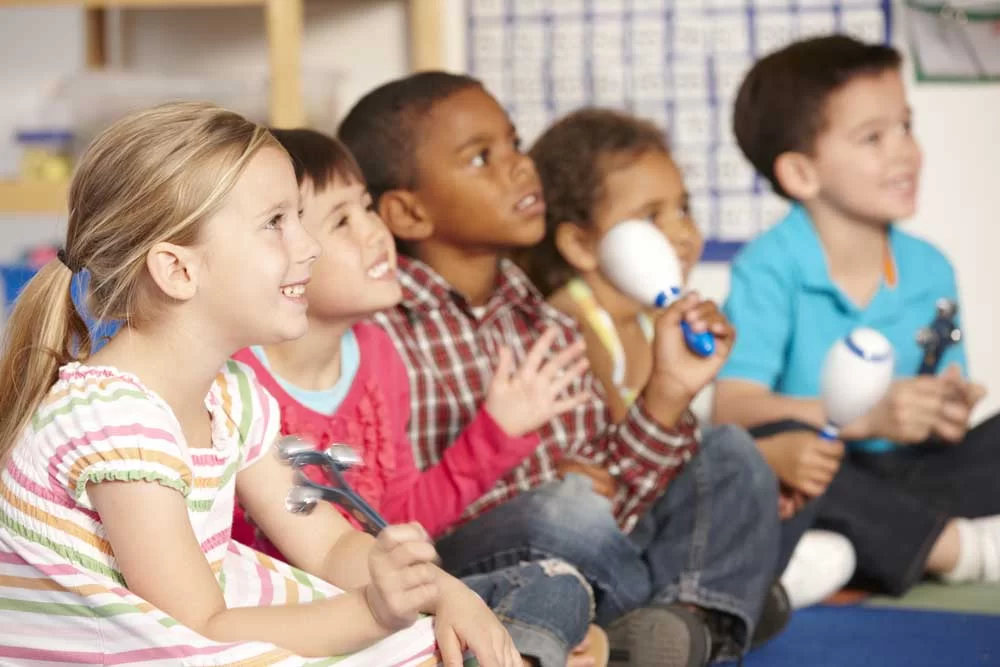
- Rhythm instruments: Shakers, tambourines, rhythm sticks
- Pitched instruments: Xylophones, hand bells, simple keyboards
- Body percussion: Clapping, patting, stomping
- Homemade instruments: Rice shakers, rubber band guitars, pot lid cymbals
The key is keeping it simple and focusing on the joy of making music together rather than technical perfection.
2. Theme-Based Lessons: Creating Meaningful Connections
Theme-based lessons help kindergarteners understand and remember musical concepts by connecting them to familiar topics.
Instead of abstract musical instruction, you’re weaving music into topics children already find fascinating:
Seasonal Themes:
- Fall: Songs about leaves falling, harvest celebrations, animals preparing for winter
- Winter: Snow songs, holiday traditions from different cultures, quiet/loud dynamics like snowstorms
- Spring: Growing songs, rain rhythms, bird songs and high/low pitches
- Summer: Ocean waves and flowing melodies, camping songs, travel rhythms
Topic-Based Themes:
- Animals: Practice different dynamics (loud elephants, quiet mice), various tempos (quick rabbits, slow turtles), and vocal exploration (roaring, chirping, growling)
- Transportation: Steady beats like train wheels, acceleration and deceleration with cars, flying movements with airplanes
- Community helpers: March like firefighters, gentle lullabies like nurses, strong rhythms like construction workers
This approach makes music feel relevant and exciting while naturally introducing musical concepts.
3. Experience and Exposure: Real Music, Real Connections
In our screen-heavy world, kindergarten music time should be a sanctuary of real, hands-on musical experiences.
No Screen Time During Music: While technology has its place in education, music time should focus on:
- Live singing and playing: Children respond to the energy and spontaneity of live music
- Physical movement: Dancing, marching, swaying—full-body musical engagement
- Tactile experiences: Feeling the vibration of drums, the smoothness of rhythm sticks, the weight of hand bells
- Social interaction: Making music together builds community and cooperation
Diverse Musical Exposure: Introduce children to a rich variety of musical styles and cultures:
- Classical music: Short, accessible pieces for moving and listening
- Folk songs: Simple, repetitive songs from various cultures
- World music: Instruments and rhythms from different countries
- Different genres: Jazz rhythms, country storytelling, rock steady beats
The goal is creating a broad musical foundation that will serve children throughout their lives.
Recommended Activities: What to Implement and How Often
These seven essential activities form the foundation of successful music lessons for kindergarten. Each serves a specific purpose in developing musical skills while keeping young children engaged and excited about learning.
1. Repetitive Songs: Building Musical Confidence
Use repetitive songs daily—they’re your secret weapon for success!
Kindergarteners love repetition. It makes them feel secure, confident, and successful. When children can predict what comes next, they participate more freely and joyfully.
Examples of Great Repetitive Songs:
- “Get Your Wiggles Out”: A perfect opening song that helps active preschoolers settle while doing fun movements
- “If You’re Happy and You Know It”: Builds on familiar patterns while allowing for creative variations like “if you’re happy and you know it, be a frog… ribbit ribbit!”
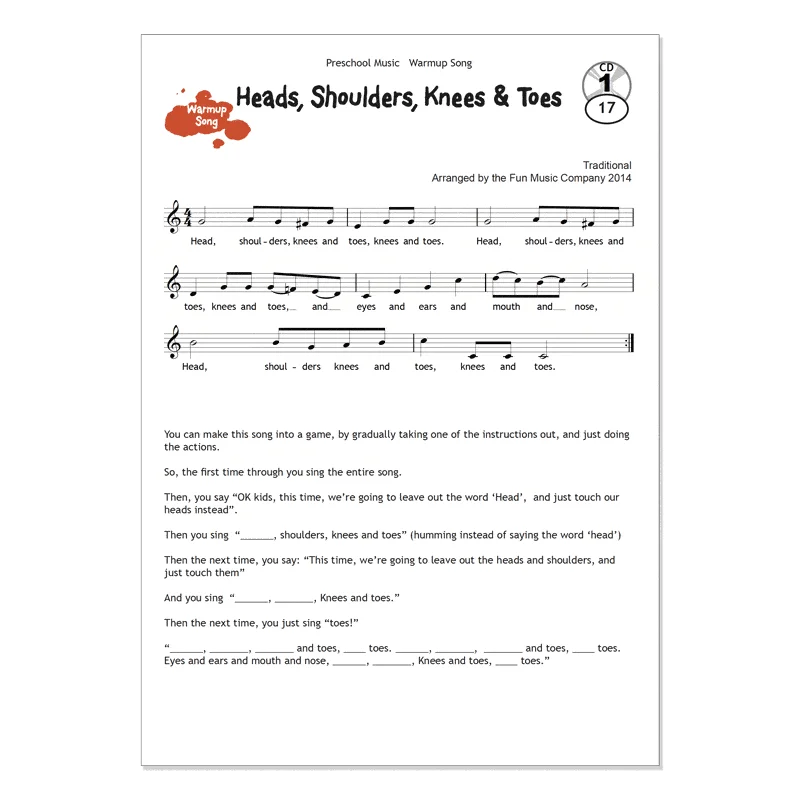
- “Heads, Shoulders, Knees and Toes”: Classic body awareness song that can become a fun game by gradually removing words
- “Old MacDonald Had a Farm”: Endless verses with animal sounds that reinforce learning while building vocabulary
How to Use Repetitive Songs Effectively:
- Sing the same song for a week or two before introducing variations
- Let children suggest new verses or movements
- Use these songs as “warm-ups” or transition tools
- Build musical skills by changing tempo, dynamics, or actions
Frequency: Include at least one repetitive song in every kindergarten music lesson.
2. Warm-Up Songs: Creating Musical Readiness
Start every music session with a warm-up song—it sets the tone for everything that follows.
Warm-up songs serve multiple purposes:
- Focus attention: Gather scattered kindergarten energy into musical focus
- Prepare voices: Gentle vocal exploration before more demanding singing
- Establish routines: Children know what to expect and feel secure
- Build community: Everyone participates together from the very beginning
Effective Warm-Up Song Ideas:
- “Get Your Wiggles Out”: Perfect for gathering scattered preschool energy into musical focus
- “Circle Fun”: Helps children join hands and sit in a circle while establishing routine
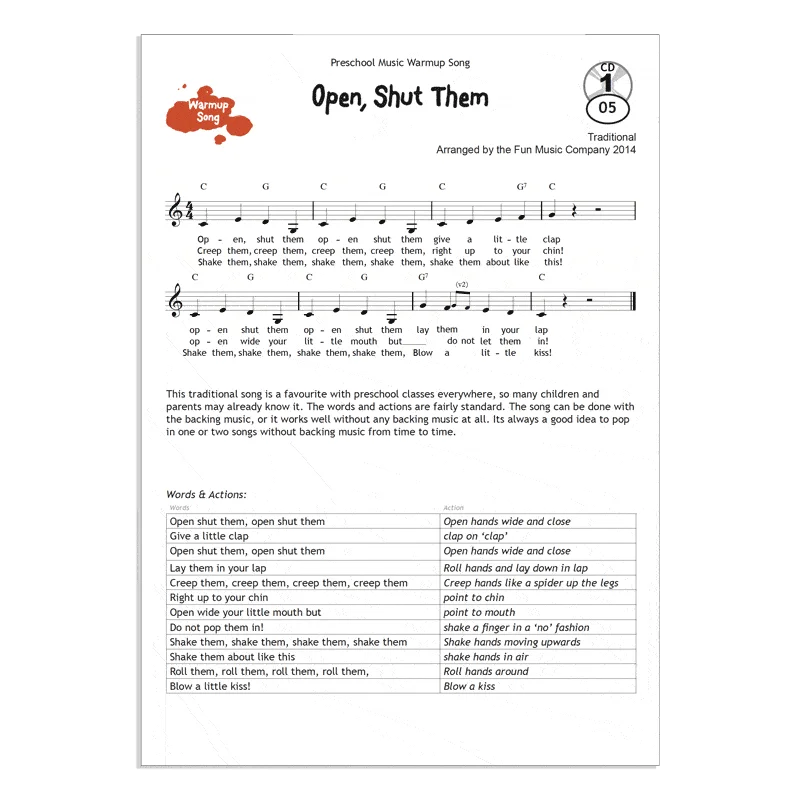
- “Open, Shut Them”: Classic finger movements that prepare little hands for more complex activities
- Simple greeting songs: Welcome each child individually within the song structure
Example Warm-Up Routine:
- “Get Your Wiggles Out” (3 minutes): Gather energy and focus attention
- “Circle Fun” (2 minutes): Form circle and establish community
- Simple greeting or finger play (2 minutes): Prepare voices and hands for activities
Frequency: Use warm-up songs at the beginning of every dedicated kindergarten music lesson.
3. Songs They Love: Honoring Children’s Musical Preferences
Include songs that kindergarteners are already excited about—it creates instant engagement!
This might seem obvious, but it’s often overlooked. When you incorporate songs children already love, several wonderful things happen:
- Immediate buy-in: Children are excited to participate
- Confidence boost: They already know some of the words or movements
- Cultural connection: You’re validating their home and community musical experiences
- Teaching opportunities: Use familiar songs to teach new musical concepts
How to Discover What They Love:
- Ask children about their favorite songs
- Notice what they sing on the playground
- Pay attention to popular children’s music and movies
- Include songs in different languages that reflect your classroom community
Making Popular Songs Educational: Take a song they love and:
- Add movements or actions
- Change the tempo or dynamics
- Use it to practice rhythm patterns
- Create new verses together
- Add simple instruments
Frequency: Include at least one “student favorite” song each week, rotating through different children’s suggestions.
4. Lots of Props: Making Music Visual and Tactile
Props transform ordinary songs into magical experiences that kindergarteners remember forever!
Young children are naturally kinesthetic learners—they understand concepts better when they can see, touch, and manipulate objects. Musical props engage multiple senses and make abstract musical concepts concrete.
Essential Musical Props:
- Scarves: Perfect for showing musical phrases, dynamics (big movements for loud, gentle movements for soft), and tempo changes
- Rhythm instruments: Shakers, tambourines, rhythm sticks, hand drums
- Picture cards: Animals, weather, emotions—anything that connects to your songs
- Puppets: Let the puppet “teach” the song or demonstrate musical concepts
- Colorful objects: Beanbags for steady beat, ribbons for flowing melodies
- Simple costumes: Hats, animal ears, or cultural items that connect to songs
Creative Prop Ideas:
- Homemade shakers: Rice in plastic containers, beans in paper plates taped together
- Movement props: Pool noodles for conducting, hula hoops for tempo activities
- Visual aids: Large music note cutouts, pictures representing high/low sounds
- Sensory items: Textured materials that represent different musical qualities
How to Use Props Effectively:
- Introduce props gradually: Don’t overwhelm with too many at once
- Establish clear rules: “Instruments sleep when teacher talks”
- Rotate regularly: Keep interest high with variety
- Let children help: Distributing and collecting props builds responsibility
- Connect to learning: Each prop should enhance musical understanding
Frequency: Use props in at least half of your kindergarten music activities. They’re especially important for introducing new songs or concepts.
5. Lots of Craft: Creating Musical Memories
Crafts aren’t just busy work—they’re powerful tools for reinforcing musical learning and creating lasting connections!
When kindergarteners create something with their hands while learning music, they’re engaging multiple areas of their brain simultaneously. This strengthens memory formation and makes musical concepts more meaningful.
Musical Craft Ideas:
- Theme-based instruments: Duck shakers for the duck lesson, train crafts with moving parts for the train theme
- Character puppets: Frog puppets for “Galumph Went the Little Green Frog,” bear paws for “Going on a Bear Hunt”
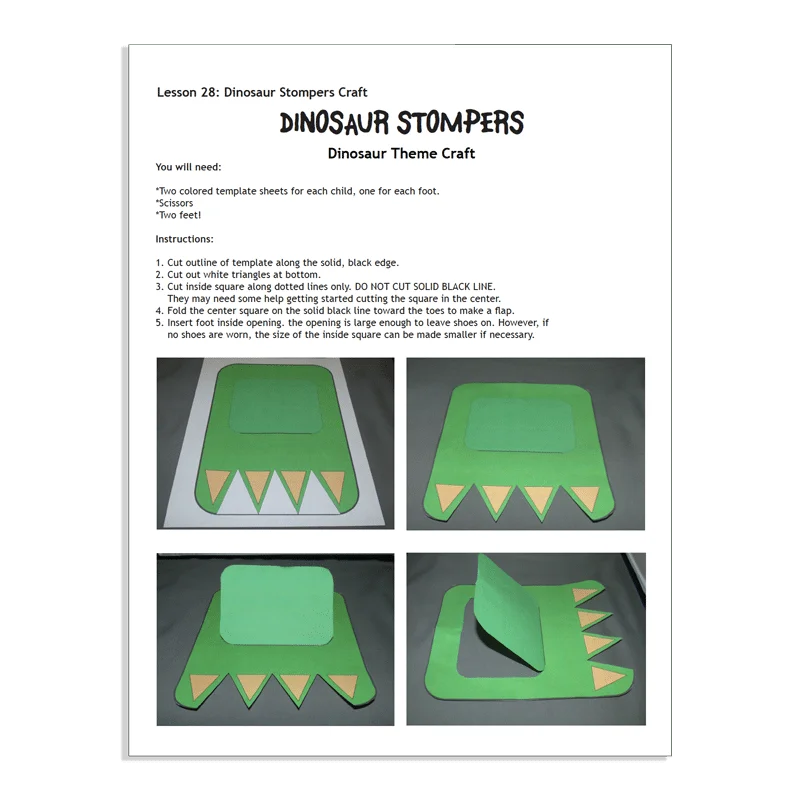
- Seasonal projects: Balloon people, rainbow fish, CD owls for night time, dinosaur stompers
- Practical items: Fire hats for firefighter songs, traffic lights for transportation themes, clocks with moveable hands
Seasonal Musical Crafts:
- Fall: Leaf shakers, apple rhythm instruments, scarecrow stick puppets for songs
- Winter: Snowflake rhythm patterns, holiday ornaments while singing cultural songs
- Spring: Flower pots with rhythm patterns, bird puppets for high/low songs
- Summer: Sun catchers while singing sunny songs, ocean wave bottles for tempo activities
Benefits of Musical Crafts:
- Reinforce learning: Children remember songs better when they’ve created something connected to them
- Develop fine motor skills: Cutting, gluing, and decorating support overall development
- Create connections: Crafts help link music to other subject areas
- Build pride: Children love sharing what they’ve made and learned
- Support different learning styles: Hands-on learners thrive with craft activities
Frequency: Include a musical craft activity 1-2 times per week. Simple crafts can be completed in 10-15 minutes.
6. Stories: Building Musical Narratives
Stories bring music to life and help kindergarteners understand musical concepts through familiar narrative structures.
Young children naturally think in stories. When you embed musical learning within story formats, you’re speaking their language and making abstract concepts concrete and memorable.
Types of Musical Stories:
- Character adventures: “Going on a Bear Hunt” where children actively participate in the journey
- Animal stories: Stories about ducks, frogs, and farm animals that incorporate their sounds and movements
- Transportation tales: Train adventures with “choo choo” sounds and train movements
- Bedtime stories: Night time themes with gentle sounds and sleepy movements
- Classic literature: “The Very Hungry Caterpillar” combined with songs about growing and changing
Example Musical Story Structure: “Once upon a time, there was a little mouse (sing in high, quiet voice) who lived in the same house as a big, friendly elephant (sing in low, loud voice)…”
As you tell the story, children:
- Use their voices to represent different characters
- Move their bodies to show the story action
- Play instruments to create sound effects
- Sing recurring songs or phrases
Benefits of Musical Stories:
- Engage imagination: Children become part of the musical world
- Develop listening skills: Following story progression improves attention
- Teach musical concepts: High/low, loud/soft, fast/slow become story elements
- Build language skills: Rich vocabulary and narrative structure support literacy
- Create community: Shared story experiences build classroom connections
Frequency: Include a musical story activity 1-2 times per week. Stories can range from 5-minute mini-tales to longer 15-minute adventures. Develop a collection of colourful picture books from second-hand book stores or Amazon.
7. Games: Learning Through Play
Musical games are pure magic—they combine the natural joy of play with powerful musical learning!
Kindergarteners learn best through play, and musical games satisfy their need for movement, social interaction, and fun while building essential musical skills.
Essential Musical Games:
- “Musical Statues/Freeze Dance”: Develops listening skills using songs like “Everybody Go, Everybody Stop”
- “Musical Lily Pads”: A frog-themed variation of musical chairs using green lily pad cutouts
- “Duck Egg Treasure Hunt”: Hide plastic eggs around the room for children to find during duck-themed lessons
- “Traffic Light Game”: Children move and stop according to traffic light colors and songs
- “Fire Truck Hop”: Children find fire truck pictures when music stops, perfect for community helper themes
Movement Games:
- “Animal Movement Songs”: Stomp like elephants, hop like rabbits, slither like snakes
- “Weather Games”: Move like falling snow, growing flowers, or rolling thunder
- “Transportation Games”: Chug like trains, sail like boats, fly like airplanes
Listening Games:
- “Sound Detective”: Identify different instruments or environmental sounds
- “Musical Simon Says”: Follow directions only when they’re sung, not spoken
- “Quiet Game”: Practice being silent and listening for tiny sounds
Social Musical Games:
- “Partner Songs”: Simple songs where children work together
- “Musical Conversations”: Children “talk” to each other using instruments instead of words
- “Group Compositions”: Everyone contributes sounds to create a class song
Why Musical Games Work:
- Natural motivation: Children want to play—no external rewards needed
- Repeated practice: Games naturally encourage repetition without boredom
- Social learning: Children learn from each other through game interaction
- Immediate feedback: Games provide natural consequences and adjustments
- Joy and memory: Happy experiences create stronger learning connections
Frequency: Include musical games in every kindergarten music lesson. They’re perfect for transitions, energy management, and reinforcing concepts.
Want to see how a complete kindergarten session flows from start to finish? Our kindergarten music lesson page includes video walkthroughs of exactly how a lesson moves from singing through to instruments.
Ready to Take Your Music Program to the Next Level?
For Preschool Educators (Ages 3-5):
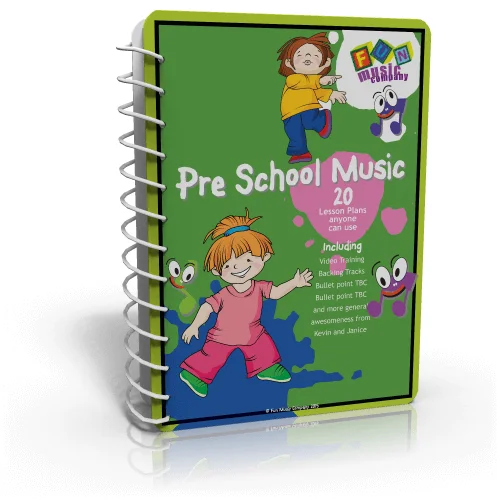
If you’re working with preschoolers and want a complete, ready-to-use music curriculum that takes all the guesswork out of planning, you’ll love our Preschool Music Curriculum Program.
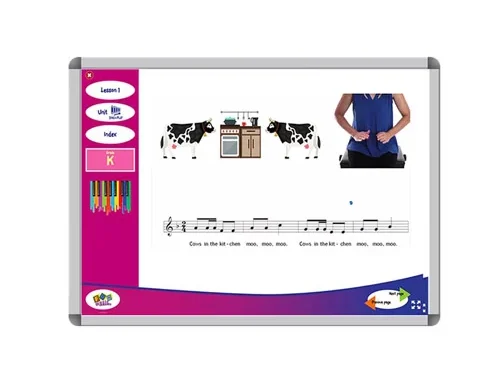
It includes all 20 themed lessons mentioned in this article—from balloons and ducks to dinosaurs and carnivals—plus 60 songs, backing tracks, craft activities, and step-by-step guidance. Everything is planned, tested, and proven to work with young children, including songs like ‘Get Your Wiggles Out,’ ‘Going on a Bear Hunt,’ and ‘If You’re Happy and You Know It.’
For Kindergarten Teachers (First Year of Formal School):
Are you teaching kindergarten as the first year of formal schooling and looking for age-appropriate music curriculum?
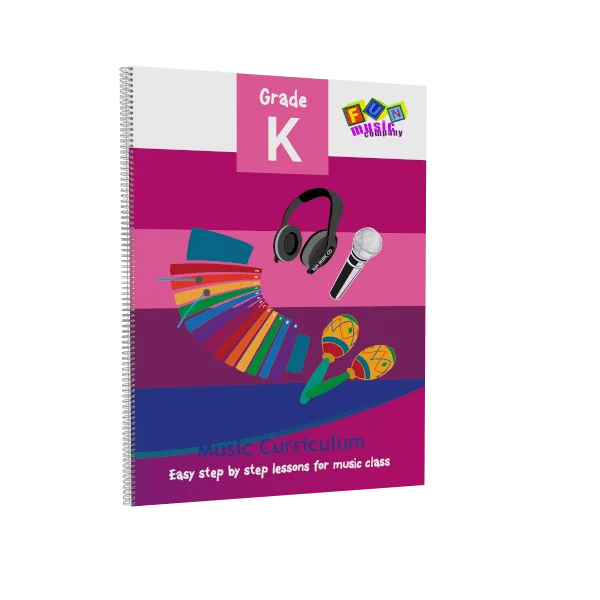
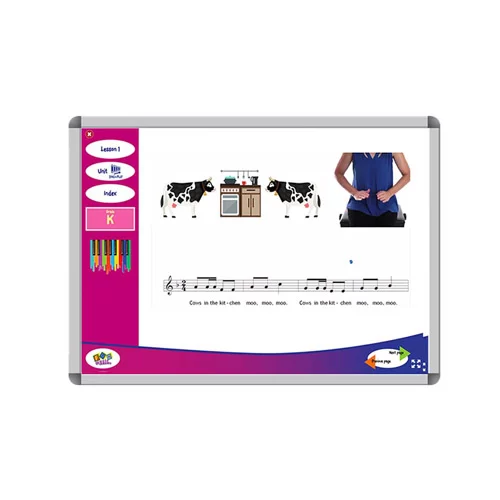
While this article focused on preschool-aged children, we also have an incredible Kindergarten Music Curriculum specifically designed for that crucial first year of elementary school. It builds on the foundational skills while introducing more structured musical learning perfect for 5-6 year olds ready for formal education.

Leave A Comment