
Primary School Music Resources: The Complete Guide for Primary School Teachers
Whether you’re a specialist music teacher building out a full-year program, or a classroom generalist who’s just been handed music with no training at all, finding the right primary school music resources shouldn’t mean hunting across a dozen different websites. This page is your starting point — a complete library of primary music resources built specifically for the K–6 classroom, covering everything from ready-to-teach lesson plans and instrument activities to worksheets, seasonal content, and curriculum guidance.
We’ve organised music resources for primary schools by what you actually need to do this week — teach a lesson, plan a term, find an activity for a specific instrument, or figure out where to start if music isn’t your specialty. Everything below links through to detailed, classroom-tested content, used by over 12,000 teachers in 149 countries.
If you’re looking for something specific, jump to the section that matches what you need. If you’re building out a program from scratch, start from the top and work down — it’s designed to be read in order.
Getting Started: What Does a Primary School Music Program Need?
A solid primary school music curriculum doesn’t need to be complicated, but it does need structure. At minimum, an effective music program for primary schools covers four things across the year: a consistent framework for building skills term-on-term (rather than one-off unrelated lessons), a mix of activity types — singing, instrumental, listening and composing — so no single skill is over-relied on, content that scales across year levels rather than staying flat from Kindergarten to Grade 6, and enough ready-to-teach material that planning doesn’t eat into actual teaching time.
Many schools patch this together from free resources scattered across the internet, which works for a term or two before the gaps start showing — usually around consistency across year levels, or a shortage of material once the “fun” seasonal lessons run out. If you’re at that point, or starting from scratch, our full K–6 music curriculum program is built to solve exactly this — structured, sequential, and mapped across all six primary year levels.
If you’re not ready for a full curriculum yet and just need resources to fill specific gaps, the sections below will get you there.
New to Teaching Music? Start Here
If you’re a classroom teacher with no music training who’s suddenly responsible for teaching it, you’re not alone — it’s one of the most common situations primary teachers find themselves in, and it doesn’t require a music degree to do well. The skills that matter most are confidence, a bit of structure, and knowing where to find material that’s already been figured out for you.
Our guide, How to Teach Music in Primary School (When You’re Not a Music Teacher), walks through exactly this — practical, no-training-required approaches to teaching music in primary schools, without needing to be a specialist.
Once you’ve got the basics down, the sections below cover specific lesson plans, instruments, and activities you can bring straight into the classroom.
Lesson Plans & Ready-to-Teach Activities
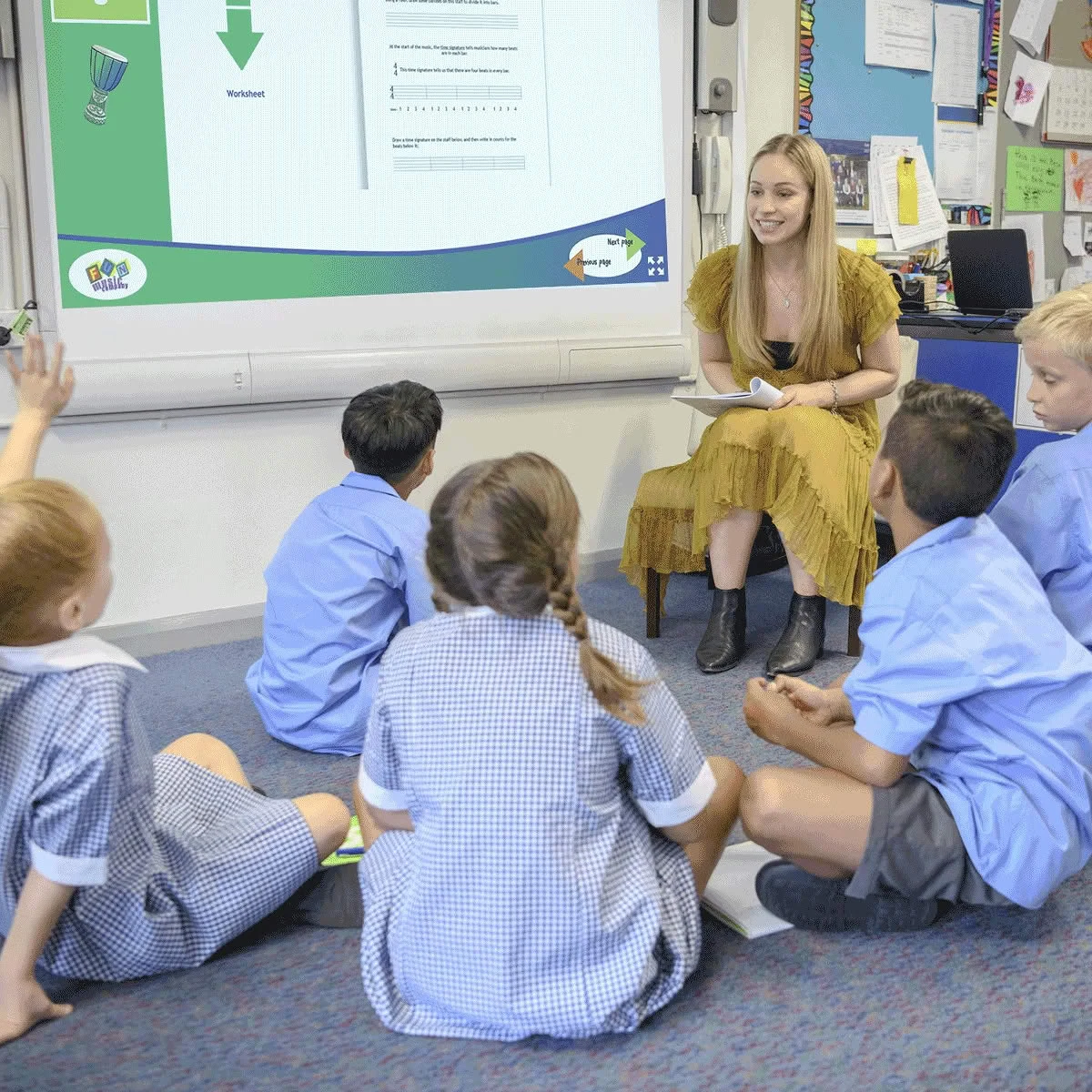
Once the basics are sorted, the fastest way to fill a term is with lesson plans that are already structured and ready to teach — no need to build a sequence from scratch. Our Elementary & Primary Music Lesson Plans Guide is the best starting point, covering a full range of ready-to-use lessons across year levels, from single-session activities to multi-week sequences.
If you’re covering someone else’s class rather than teaching your own, our substitute music lesson plans are built specifically for that — no prior context needed, just pick one up and teach it.
From here, the next few sections break lesson content down by instrument and activity type, so you can go straight to what you need.
Instrument-Based Resources
Different instruments suit different year levels and different comfort zones — some teachers gravitate to rhythm-based instruments, others to melodic ones, and plenty of schools are working with whatever is already sitting in the cupboard.
Boomwhackers
Boomwhackers are one of the most forgiving places to start, especially with younger grades — colour-coded and pitch-mapped, so there’s no note-reading required to get a class playing together. Our Boomwhackers for the Classroom guide covers everything from first lesson to full songs and games.
Bucket Drumming
Bucket drumming works brilliantly for upper primary, turning something as simple as a stack of buckets into a genuine rhythm section. Start with What Is Bucket Drumming? for the full walkthrough.
Ukulele
The Ukulele is one of the few instruments where you can create real musical experiences with students without being an expert yourself — our complete guide to teaching Ukulele walks through everything from first chord to first ensemble.
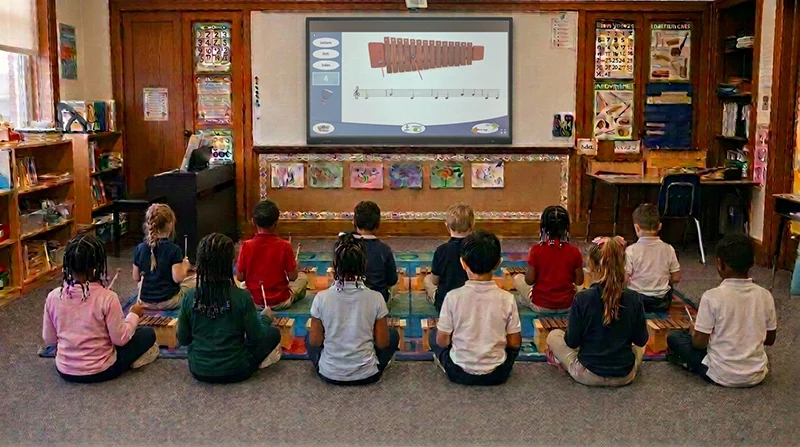
Xylophones and tuned percussion
Xylophones and other tuned percussion are a natural next step once students are comfortable with Boomwhackers, introducing pitch and note-reading gradually. Tuned percussion is a major focus of the SING & PLAY strand within our full curriculum program — where it’s sequenced alongside Boomwhackers and built into songs across every grade level. If you’re working with xylophones regularly, our complete curriculum program is the fastest way to get a structured, grade-by-grade sequence rather than piecing it together lesson by lesson.
GarageBand
GarageBand brings composition into the classroom on iPads, letting students build their own drum patterns and song structures without needing an instrument at all. See our GarageBand Lesson Plans and Composition guide.
Songs & Singing Activities
Singing is one of the most accessible entry points into music for any classroom — no instruments required, and it works from Kindergarten right through to Grade 6.
Folk Songs & Singing Games
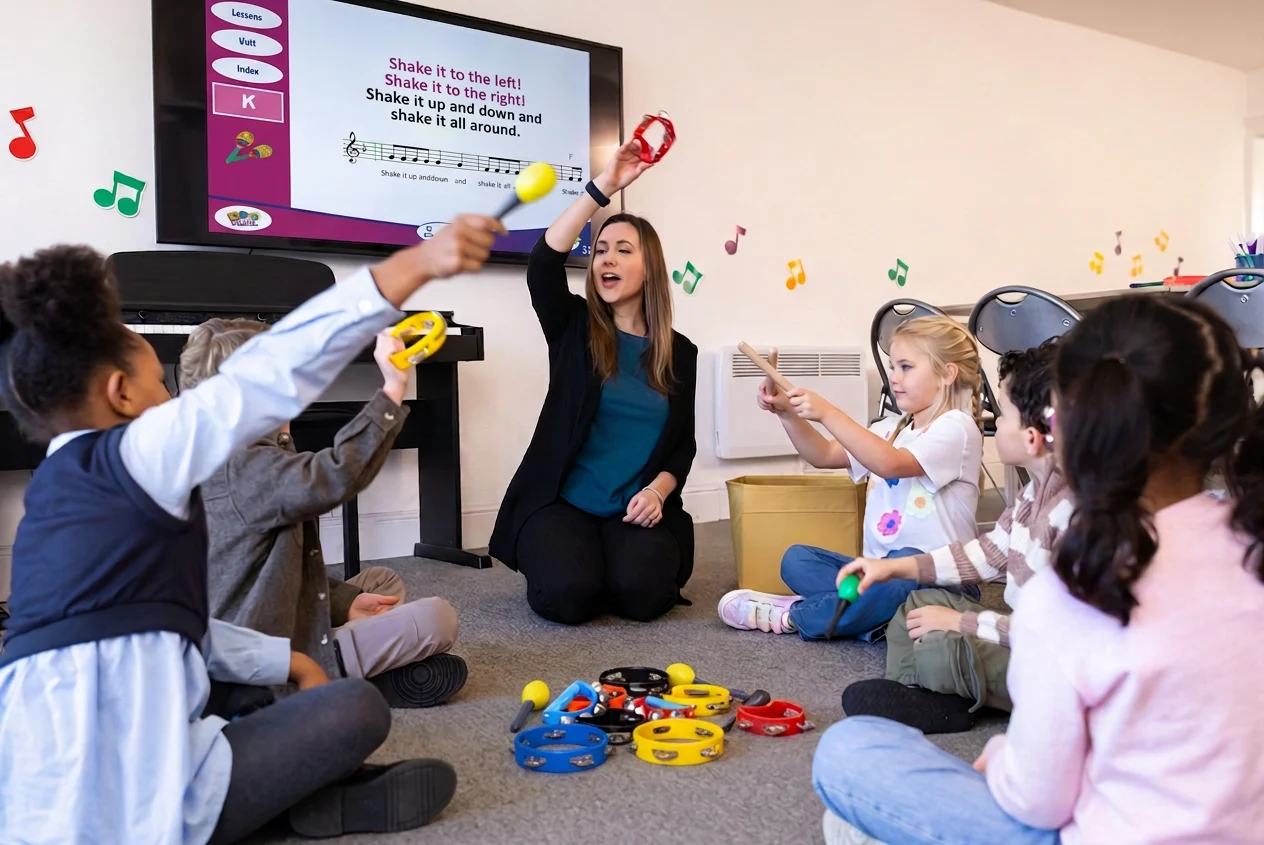
Traditional folk songs and singing games are a cornerstone of primary music teaching, and for good reason — they’re built on simple, repetitive patterns that make them easy to teach and genuinely fun for students to learn, while introducing rhythm, pitch, and often a window into a different culture at the same time. Our Folk Songs for the Classroom collection rounds up commonly used classroom folk songs — including favourites like A Ram Sam Sam, Tideo, Zum Gali Gali and Charlie Over the Ocean — each with its own lesson ideas, actions and background.
Choir Warmups
If you’re running a choir or just want your class genuinely warmed up before a singing lesson, a good warmup routine makes a real difference to tone, focus and enthusiasm. Our Choir Warmups Collection covers physical warmups, breathing exercises, vocal warmup songs and tongue-twisters suited to all ages of choir.
Worksheets & Theory Resources
Worksheets are one of the most reliable ways to reinforce music theory without eating into playing and singing time — useful for independent work, cover lessons, or simply consolidating a concept the class just learned.
Our Music Theory Worksheets collection covers everything from note-naming and clefs through to key signatures, intervals and harmony, with both American and European terminology options so the worksheets match how your students are actually taught.
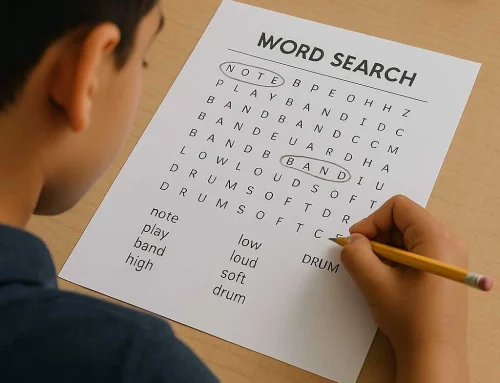
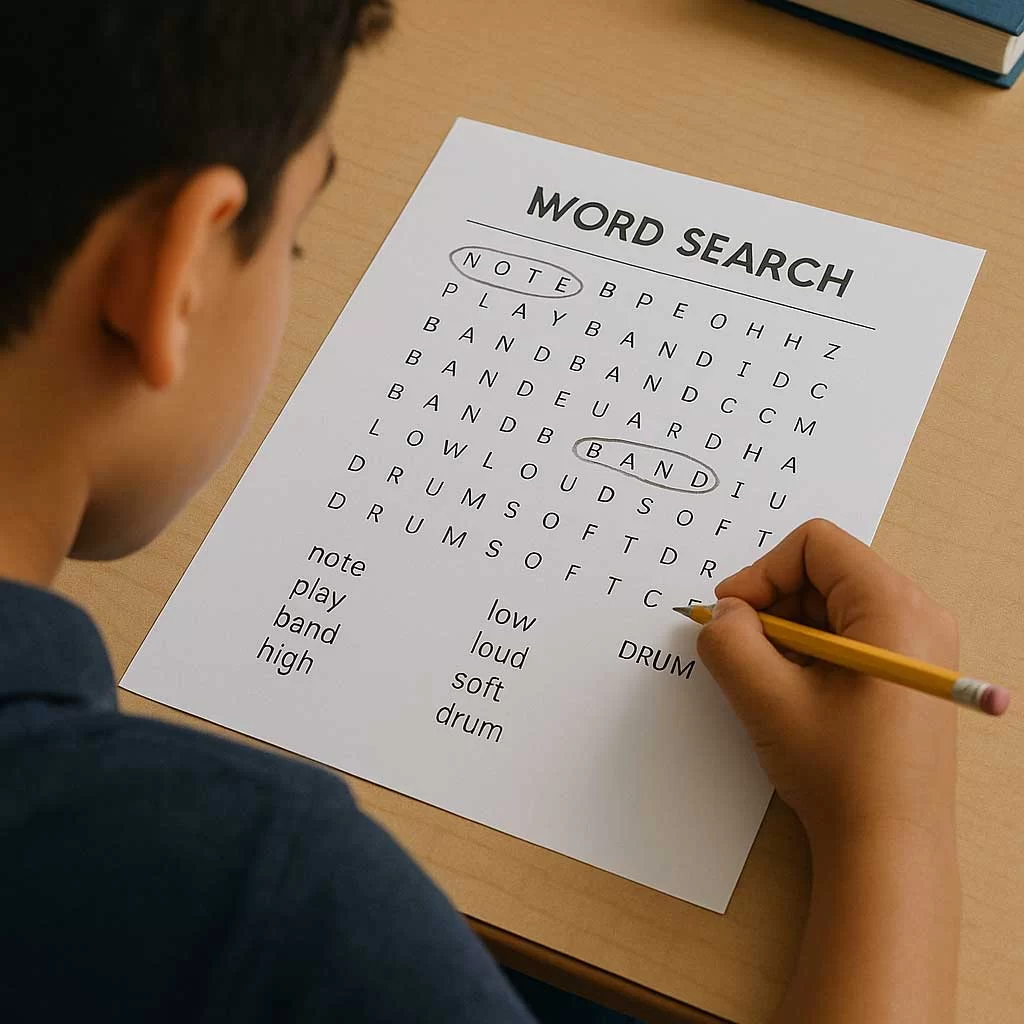
For a quieter, independent activity — ideal for cover lessons or the last five minutes of class — our Music Word Search Puzzles: The Ultimate Collection is a popular option that builds musical vocabulary while keeping the class settled.
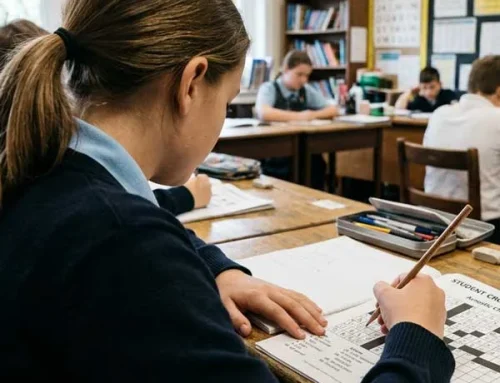
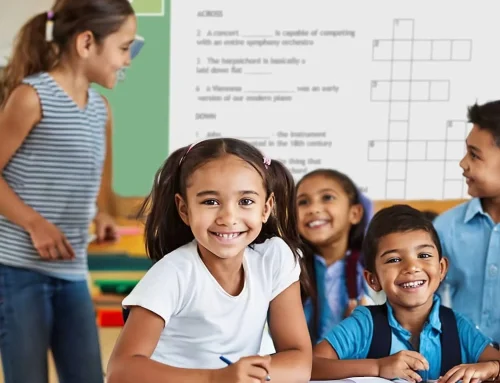
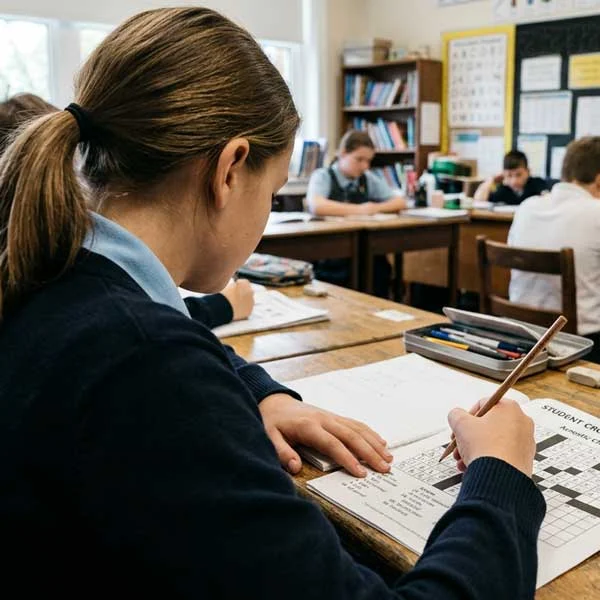
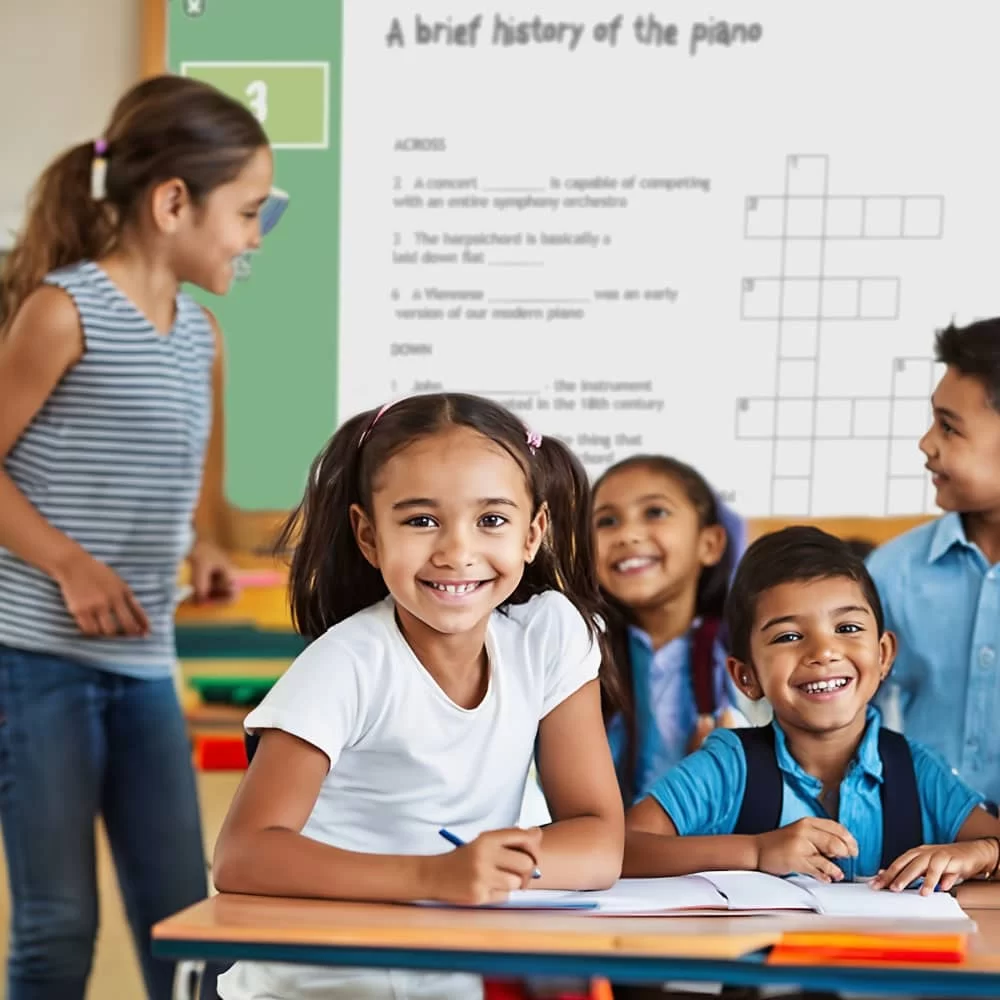
For another quiet option, make sure you check out our Music Crossword Puzzle Collection.
Seasonal & Special Occasion Lessons
Seasonal lessons are a great way to keep energy high around holidays and school events, without losing sight of real music learning underneath the fun.
- Christmas Music Lessons — ready-made lesson plans for K–6, including full SING & PLAY arrangements.
- Halloween Music Lessons — structured listening lessons built around classical pieces like Night on Bald Mountain, tailored by grade level.
- Easter Music Lesson Plans — SING & PLAY arrangements suited to the term’s end-of-year concert season.
- Valentine’s Day Music Lessons — listening games and a ukulele play-along, split by age group.
- St Patrick’s Day Music Lesson Ideas — an introduction to Irish musical heritage through performance-based activities.
Each of these is designed to slot into a single lesson with minimal extra prep — ideal for the week a seasonal concert or event lands on your calendar.
Music Appreciation & Teaching Approaches
Beyond playing and singing, helping students genuinely understand and respond to music — across genres, eras and cultures — is its own essential skill, and it’s often the part of a program that gets squeezed out when time is short.
Our Developing a Music Appreciation Curriculum guide walks through how to structure a listening program from scratch, including how it’s built into our own curriculum across 140 listening lessons spanning K–6. If you want practical activities to start with straight away, Music Appreciation Activities for Primary & Elementary Students has five ready-to-use ideas, from painting-to-music through to world music exploration.
If you’re interested in a specific teaching methodology rather than building your own approach from scratch, What Is Kodály? is a complete guide to the Kodály method — folk-song-based, built around solfège and hand signs, and one of the most widely used approaches in primary music education worldwide. This is also the natural home for anyone searching more broadly around teaching methods and pedagogies, rather than day-to-day lesson content.
Ready for a Complete Curriculum?
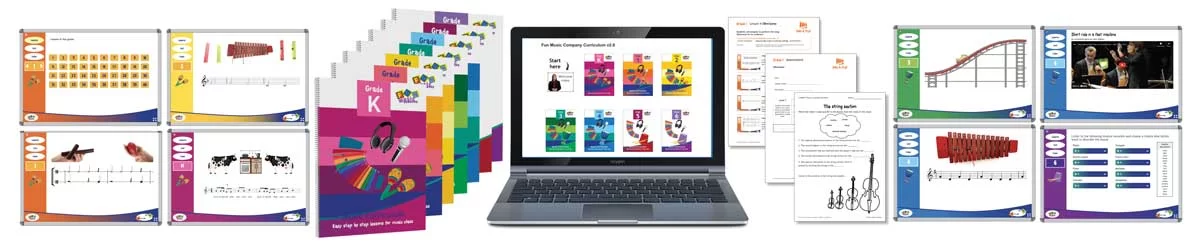
Everything on this page works well as a standalone resource — grab what you need, when you need it, and build your own program at your own pace. But if you’re finding yourself constantly patching lessons together term after term, or you’d simply rather have the whole year mapped out and ready to go, that’s exactly what the Fun Music Company Music Curriculum is for.
It’s a complete, sequential K–6 program — SKILLS, SING & PLAY, COMPOSE and CONNECT — built by former classroom music teachers and used by thousands of teachers across the world. Every instrument, song and activity referenced on this page fits somewhere inside it, already sequenced so you’re not left guessing what comes next.
If you’re not ready for that step yet, no problem — bookmark this page and come back to it whenever you need a specific resource.
Leave A Comment